

Energy Performance Requirements for New Builds in Arizona (Homeowner-Friendly Guide)
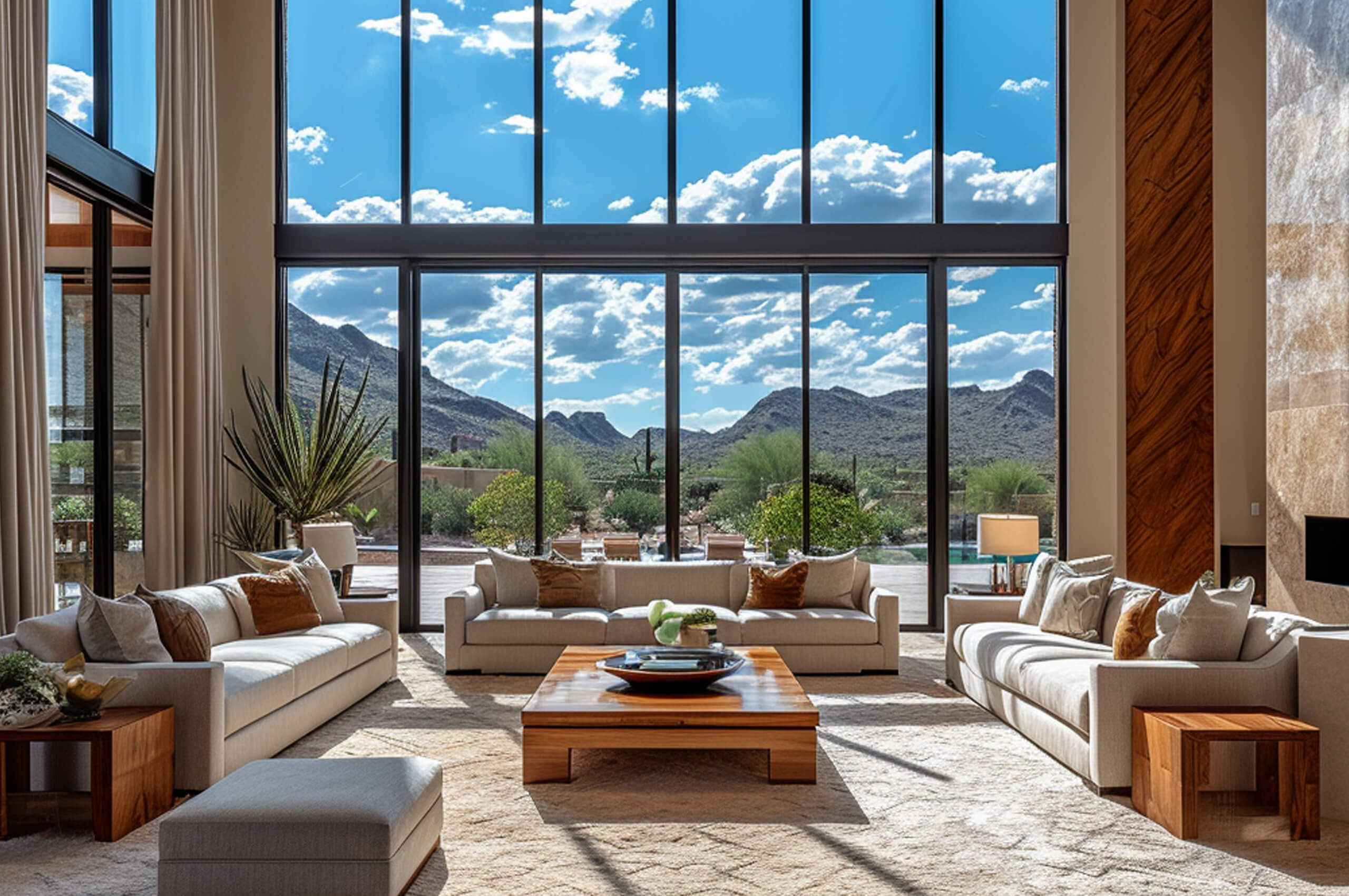
Building a new home in Arizona is exciting – but it also comes with a reality check: the desert heat doesn’t play around.
That’s why energy performance requirements for new construction matter so much here. The right choices (especially your windows) can help keep your home comfortable, lower your cooling costs, and prevent headaches during inspections.
In this guide, we’ll break down what homeowners should know about energy performance requirements for new builds in Arizona, what’s typically expected, and how to make smart window decisions from the start.
Why Energy Performance Matters More in Arizona
Arizona homes deal with:
- Long, hot summers
- Intense direct sun exposure
- Big temperature swings between day and night (depending on location)
- High A/C usage for a large part of the year
So energy performance isn’t just about being “green” – it’s about livability and monthly bills.
A home that’s built to meet modern energy standards will usually have:
- Better indoor comfort
- More consistent room temperatures
- Less strain on HVAC systems
- Lower long-term energy costs
What “Energy Performance Requirements” Usually Mean for New Builds
When people hear “energy requirements,” they often assume it’s one single rule. In reality, it’s usually a mix of standards and building practices that work together.
For most new builds, energy performance requirements focus on things like:
1) Insulation and air sealing
Keeping hot air out and cool air in.
2) HVAC efficiency
Properly sized, energy-efficient heating and cooling systems.
3) Duct sealing
Preventing air loss through leaky ductwork.
4) Lighting and appliances
Higher efficiency options help reduce overall energy load.
5) Windows and doors (a big one)
Because windows can be one of the biggest sources of heat gain in Arizona.
Arizona New Build Energy Codes (The Quick, Non-Boring Version)
Arizona follows energy codes that are based on national standards (often tied to the International Energy Conservation Code / IECC), but local requirements can vary depending on the city or county.
What this means for homeowners:
- Your builder and contractors must meet the code requirements for your area
- Your home may need inspections and/or testing to confirm performance
- Your window choices can directly impact whether the home meets compliance
Even if you’re not personally handling permits, it’s still smart to understand what your home is being built to meet – especially before you sign off on materials.
The Biggest Energy Efficiency Factor Homeowners Overlook: Windows
In Arizona, windows aren’t just about looks. They’re a major part of your home’s thermal performance.
Your windows affect:
- How much heat enters the home
- How hard your A/C needs to work
- How comfortable rooms feel in the afternoon
- Whether certain areas feel “hot” even when the thermostat says otherwise
Common window-related issues in Arizona new builds:
- Too much glass on west-facing walls without proper performance glass
- Cheap windows that meet the bare minimum (but don’t feel good to live with)
- Poor installation leading to air leaks and drafts
- Not choosing the right glass package for the climate
Key Window Performance Terms for Arizona Homeowners (Simple Definitions)
When comparing windows for a new build, you’ll see a few ratings come up again and again. Here’s what they actually mean.
U-Factor (insulation performance)
- Lower U-factor = better insulation
- Helps reduce heat transfer through the window
Solar Heat Gain Coefficient (SHGC)
- Lower SHGC = less solar heat coming through
- This is a big deal in Arizona because it helps reduce heat gain from the sun
Visible Transmittance (VT)
- Higher VT = more natural light comes through
- You want light, but you don’t want the heat that often comes with it
Low-E Glass
Low-E coatings help reflect heat and UV rays while still allowing light into your home. In Arizona, this is one of the most important upgrades you can make.
The “Window Placement” Factor: Your Floorplan Matters
Even the best windows can struggle if they’re installed in the wrong place with no design support.
Here’s how window placement impacts energy performance:
West-facing windows = the hottest exposure
The afternoon sun is brutal in Arizona. West-facing glass can make rooms feel noticeably warmer.
South-facing windows can be manageable with overhangs
With good design (and the right glass), south-facing windows can bring in light without overheating.
North-facing windows are often the easiest to keep comfortable
They get more consistent light and less direct heat.
Pro tip: If your design includes a lot of west-facing glass, make sure you’re using the right performance glass package and consider shading solutions.
Energy Testing in New Builds: What Homeowners Might See
Depending on your area and builder, your home may go through energy testing such as:
Blower door testing
Checks how airtight the home is (air leakage).
Duct leakage testing
Measures whether your ductwork is losing conditioned air.
Inspections for insulation and sealing
Verifies the home was built to spec.
Windows that are properly selected and installed can help prevent issues like air leakage and comfort complaints after move-in.
What Homeowners Should Ask Their Builder About Windows (Before It’s Too Late)
If you’re building a new home in Arizona, these are great questions to ask early:
- What window brand and series is included in the build?
- What are the U-factor and SHGC ratings?
- Is Low-E glass included by default?
- Are we upgrading any windows for west-facing sides?
- Are sliding doors included? If so, what performance package?
- Who is installing the windows – and are they experienced with Arizona conditions?
Even if your builder has a standard window package, you may be able to upgrade strategically (without upgrading everything).
Smart Window Upgrades That Help With Arizona Energy Performance
You don’t always need the most expensive option – but you do want the right option.
Here are upgrades that tend to make a real difference in Arizona:
Low-E glass upgrades
Helps reduce heat and UV without blocking your natural light.
Dual-pane windows (standard for most new builds)
A must for comfort and energy performance.
Better-performing glass for large openings
If you’re installing big picture windows or multi-slide doors, performance matters more.
Professional installation
A window can be “energy efficient” on paper and still underperform if it’s installed incorrectly.
Energy Efficiency = Comfort (Not Just Savings)
Homeowners often focus on energy performance because they want lower bills – totally fair.
But the bigger day-to-day benefit is comfort, like:
- Bedrooms that don’t heat up in the evening
- Living rooms that feel consistent all day
- Fewer hot spots near windows
- Less A/C cycling and strain
When your home is designed for Arizona’s climate, it feels better to live in – period.
Building in Arizona? Start With the Right Windows
If you’re building a custom home or new construction in Arizona, meeting energy performance requirements is part of the process – but going beyond the minimum is where you’ll really feel the difference.
At American Vision Windows of Arizona, we help homeowners choose window solutions that fit:
- Arizona energy needs
- Modern home designs
- Long-term comfort and efficiency goals
Want help selecting the right windows for your new build?
Reach out to American Vision Windows of Arizona to explore energy-efficient window options, glass packages, and modern designs built for the desert.
Frequently Asked Questions
Do all Arizona new builds need energy-efficient windows?
Yes – new construction typically requires windows that meet certain efficiency standards, though the exact requirements can vary by area.
What’s the most important window rating for Arizona heat?
SHGC (Solar Heat Gain Coefficient) is a big one because it measures how much solar heat comes through the glass.
Is Low-E glass worth it in Arizona?
Absolutely. It helps reduce heat gain and UV exposure while keeping rooms brighter and more comfortable.