

Minimalist architecture continues to shape modern home design, emphasizing clean lines, open spaces, natural light, and simplicity. Windows play a major role in achieving that sleek, contemporary aesthetic. The right window material not only affects appearance but also impacts energy efficiency, durability, maintenance, and long-term performance.
For homeowners planning a modern renovation or building a contemporary home, understanding the best window materials for minimalist modern designs can help create a cohesive and functional look that lasts for years.
From slim black frames to expansive floor-to-ceiling glass panels, modern windows are designed to maximize light while maintaining simplicity and elegance. Choosing the right material is one of the most important decisions in the process.
Why Window Materials Matter in Modern Home Design
Minimalist homes prioritize intentional design. Every architectural element serves a purpose, including windows.
The material used for window frames affects:
- Visual appearance
- Frame thickness
- Structural strength
- Energy efficiency
- Maintenance requirements
- Longevity
- Indoor comfort
Modern homes often favor narrow sightlines, larger glass surfaces, and neutral finishes. Some window materials naturally support these design goals better than others.
Homeowners considering a full renovation may also want to explore professional replacement window services to ensure their new windows align with modern performance and design standards.
Key Features Minimalist Homeowners Look for in Windows
Modern minimalist window design focuses on simplicity without sacrificing functionality.
Common Features Include:
- Thin window frames
- Large uninterrupted glass areas
- Black or neutral finishes
- Clean geometric shapes
- Energy-efficient performance
- Minimal decorative detailing
- Smooth indoor-outdoor transitions
The right material helps achieve this look while supporting structural integrity and insulation.
Comparing the Best Window Materials for Modern Homes
Window Material Comparison Table
| Material | Modern Appearance | Energy Efficiency | Maintenance | Durability | Best For |
| Vinyl | Clean and simple | Excellent | Low | High | Budget-conscious modern homes |
| Fiberglass | Sleek and versatile | Excellent | Low | Very high | Contemporary luxury homes |
| Aluminum | Ultra-slim frames | Moderate | Low | High | Industrial and minimalist designs |
| Wood-Clad | Warm modern aesthetic | Excellent | Moderate | High | Organic modern homes |
| Composite | Modern and durable | Excellent | Low | Very high | High-performance minimalist homes |
Vinyl Windows: Affordable and Modern
Vinyl windows remain one of the most popular options for modern homes because they combine affordability, energy efficiency, and clean aesthetics.
Today’s vinyl frames are available in:
- Slimmer contemporary profiles
- Matte black finishes
- Large picture window styles
- Minimalist sliding designs
Benefits of Vinyl Windows
- Energy-efficient insulation
- Low maintenance
- Resistant to moisture and corrosion
- Affordable installation costs
- Wide variety of modern styles
Vinyl works especially well in modern suburban homes where homeowners want contemporary style without the premium cost of specialty materials.
Homeowners updating older properties may also benefit from learning about energy-efficient window replacement options that improve both comfort and visual appeal.
Fiberglass Windows: A Premium Modern Option
Fiberglass windows are often considered one of the best window materials for minimalist modern designs because of their strength and sleek appearance.
Fiberglass frames can support:
- Larger panes of glass
- Narrow frame profiles
- Expansive modern window walls
- Contemporary black frame aesthetics
Advantages of Fiberglass Windows
- Exceptional durability
- Excellent thermal performance
- Minimal expansion and contraction
- Long lifespan
- Modern luxury appearance
Fiberglass is ideal for homeowners who prioritize long-term performance and high-end contemporary design.
Aluminum Windows: The Ultimate Minimalist Look
Aluminum windows are strongly associated with modern architecture. Their slim profiles make them a favorite for minimalist homes and industrial-inspired spaces.
Because aluminum is structurally strong, frames can remain extremely narrow while supporting large glass panels.
Why Minimalist Designers Love Aluminum Windows
- Ultra-thin sightlines
- Crisp geometric appearance
- Modern matte finishes
- Strong structural support
- Excellent for floor-to-ceiling glass
Potential Drawbacks
Traditional aluminum frames are less energy efficient than vinyl or fiberglass because metal transfers heat more easily. However, modern thermally broken aluminum frames improve insulation significantly.
Aluminum windows are especially common in:
- Contemporary custom homes
- Modern urban properties
- Industrial-style renovations
- Luxury indoor-outdoor living spaces
Wood-Clad Windows for Organic Modern Designs
Not every minimalist home follows an industrial aesthetic. Many modern homes incorporate warmth through natural materials and softer textures.
Wood-clad windows combine:
- Real wood interiors
- Protective exterior cladding
- Modern performance
- Warm architectural character
These windows work beautifully in:
- Scandinavian-inspired homes
- Organic modern interiors
- Luxury mountain homes
- Transitional contemporary designs
Benefits of Wood-Clad Windows
- Natural warmth and texture
- Excellent insulation
- High-end appearance
- Strong resale appeal
While wood-clad windows require more investment, they offer timeless beauty for homeowners seeking a softer modern aesthetic.
Composite Windows: High Performance Meets Modern Design
Composite windows blend multiple materials to maximize durability and efficiency.
These windows are designed to:
- Resist warping and moisture
- Improve insulation
- Maintain sleek modern lines
- Reduce maintenance needs
Composite frames often mimic the appearance of painted wood while offering superior long-term durability.
For homeowners seeking a balance between style and performance, composite windows can be an excellent modern solution.
Best Window Styles for Minimalist Homes
The material matters, but window style also plays a major role in achieving a modern look.
Popular Minimalist Window Styles
- Picture Windows: Large fixed windows maximize natural light and create uninterrupted views.
- Sliding Windows: Horizontal sliding windows offer clean lines and simple functionality.
- Casement Windows: Modern casement windows provide excellent ventilation with sleek contemporary profiles.
- Floor-to-Ceiling Windows: These dramatic windows create a strong indoor-outdoor connection and enhance minimalist architecture.
- Corner Glass Windows: Corner windows eliminate visual barriers and create a highly modern appearance.
Energy Efficiency Considerations for Modern Windows
Minimalist homes often feature large expanses of glass, making energy performance especially important.
Features That Improve Efficiency
- Low-E glass coatings
- Double or triple-pane glass
- Insulated frames
- Gas-filled glazing
- Thermal breaks in aluminum frames
Choosing energy-efficient modern windows helps:
- Lower utility costs
- Improve indoor comfort
- Reduce heat transfer
- Support sustainable home design
Homeowners upgrading modern homes may also want to consider energy-efficient replacement windows that combine performance with contemporary aesthetics.
Common Mistakes When Choosing Modern Windows
Selecting windows based only on appearance can lead to long-term issues.
Mistakes to Avoid
- Ignoring climate conditions
- Choosing frames that are too bulky
- Prioritizing style over efficiency
- Overlooking maintenance requirements
- Using inconsistent window styles throughout the home
Working with experienced window professionals can help homeowners balance design goals with practical performance needs.
How to Choose the Right Window Material
The best window material depends on several factors:
| Priority | Recommended Material |
| Budget-friendly modern style | Vinyl |
| Luxury minimalist design | Fiberglass |
| Ultra-slim modern frames | Aluminum |
| Warm contemporary aesthetic | Wood-clad |
| Maximum durability | Composite |
Homeowners should also consider:
- Local climate
- Energy goals
- Maintenance preferences
- Architectural style
- Budget
Final Thoughts
Modern minimalist homes depend heavily on thoughtful window design. The right material can enhance natural light, improve energy efficiency, and create the clean architectural lines that define contemporary spaces.
Whether you prefer the affordability of vinyl, the luxury feel of fiberglass, the slim elegance of aluminum, or the warmth of wood-clad windows, selecting the right material helps ensure your home looks modern while performing efficiently for years to come.
Choosing high-quality replacement windows designed for contemporary living can transform both the appearance and functionality of a modern home.
Frequently Asked Questions
What is the best window material for minimalist homes?
Fiberglass and aluminum are often considered the best choices because they support slim frames and large glass panels.
Are black window frames still popular?
Yes. Black window frames remain one of the most popular trends in modern and minimalist home design.
Which window material is most energy efficient?
Fiberglass and high-quality vinyl windows typically offer excellent energy efficiency.
Are aluminum windows good for homes?
Yes, especially for modern architecture. Thermally broken aluminum frames improve insulation and performance.
Do modern windows increase home value?
Modern, energy-efficient replacement windows can improve curb appeal, comfort, and resale value.
Which windows require the least maintenance?
Vinyl and fiberglass windows generally require very little maintenance compared to traditional wood windows.
Modern homes are no longer divided strictly into “inside” and “outside.” Today’s design philosophy leans toward openness, spaces that flow naturally from the living room to the patio, from the kitchen to the garden.
At the center of this transformation are architectural door systems. Choosing the right system isn’t just about aesthetics. It impacts:
- Natural light
- Ventilation
- Energy efficiency
- Usability of space
- Overall property value
If you’re planning an upgrade, understanding the top architectural door systems for indoor-outdoor living will help you make a decision that balances style, performance, and long-term value.
What Are Architectural Door Systems?
Architectural door systems are large-format, design-forward doors engineered to create wide openings and seamless transitions between spaces.
Unlike traditional patio doors, these systems:
- Span larger widths
- Use advanced track or pivot mechanisms
- Emphasize minimal frames and maximum glass
- Integrate indoor and outdoor environments
They’re a core feature in modern, luxury, and even mid-range remodels.
Why Indoor-Outdoor Living Is So Popular
Homeowners are prioritizing:
- More natural light
- Better airflow
- Flexible entertaining spaces
- Connection with nature
Architectural door systems make this possible by physically and visually opening up your home.
Key benefits include:
- Expands usable living space
- Enhances property value
- Improves mood and well-being
- Creates a modern, high-end aesthetic
Many homeowners combine these systems with window replacement services to maximize energy efficiency and visual consistency throughout the home.
Top Architectural Door Systems to Consider
Let’s break down the most popular options and where each one excels.
1. Bi-Fold Doors: Maximum Opening, Maximum Impact
Bi-fold doors consist of multiple panels that fold and stack neatly to one or both sides.
Why they stand out:
- Create a nearly full wall opening
- Ideal for entertaining and large gatherings
- Offer a dramatic visual effect
Best use cases:
- Living rooms opening to patios
- Dining areas connecting to outdoor kitchens
- Homes with wide wall openings
- Maximum opening width
- Strong indoor-outdoor connection
- Modern, premium look
Limitations:
- Higher cost
- Requires space for panels to stack
- Slightly more maintenance due to hinges
2. Multi-Slide Doors: Smooth, Minimal, Elegant
Multi-slide doors consist of large glass panels that slide horizontally along a track. Panels can stack or disappear into a wall pocket.
Why homeowners love them:
- Clean, minimalist aesthetic
- Smooth operation
- Great for wide openings
Best use cases:
- Contemporary homes
- Spaces where you want large glass views even when closed
- Space-efficient (no folding panels)
- Sleek and modern
- Can be motorized for convenience
Limitations:
- Doesn’t open as fully as bi-fold doors
- Requires precise installation
3. Pocket Sliding Doors: Disappearing Elegance
A variation of multi-slide systems, pocket doors slide into the wall cavity, completely disappearing from view.
Why they remain popular:
- No visible panels when open
- Creates a true indoor-outdoor merge
Best use cases:
- High-end custom homes
- Clean architectural designs
Limitations:
- Requires wall modifications
- Higher installation complexity
4. French Doors: Classic and Timeless
French doors are hinged double doors that open outward or inward.
Why they remain popular:
- Traditional aesthetic
- Cost-effective compared to modern systems
- Easy installation
Best use cases:
- Smaller openings
- Transitional or classic home styles
Limitations:
- Limited opening width
- Less seamless compared to modern systems
5. Pivot Doors: Bold and Architectural
Pivot doors rotate on a central hinge, creating a striking visual effect.
Why they stand out:
- Unique, high-end design
- Can accommodate large door panels
- Makes a strong architectural statement
Best for:
- Entryways or statement transitions
- Luxury homes
Drawbacks:
- Expensive
- Not ideal for maximizing airflow
Architectural Door Systems Comparison Table
Opening Width
- Bi-Fold Doors: It has maximum opening width, allowing the entire wall to open up.
- Multi-Slide Doors: It has moderate to high opening width depending on the number of panels.
- Pocket Doors: It has maximum opening width since the panels slide completely into the wall.
- French Doors: It has limited opening width because of its hinged design.
- Pivot Doors: It has moderate opening width, usually with one large panel.
Aesthetic Style
- Bi-Fold Doors: It has a modern look that fits contemporary homes.
- Multi-Slide Doors: It has a minimalist style with clean lines and large glass panels.
- Pocket Doors: It has an ultra-modern appearance with a seamless design.
- French Doors: It has a traditional style with classic detailing.
- Pivot Doors: It has a bold and luxury-focused design.
Space Efficiency
- Bi-Fold Doors: It has medium space efficiency since panels need room to fold.
- Multi-Slide Doors: It has high space efficiency as panels slide along a track.
- Pocket Doors: It has high space efficiency because panels disappear into the wall.
- French Doors: It has medium space efficiency due to the swing space required.
- Pivot Doors: It has high space efficiency with its central pivot mechanism.
Cost
- Bi-Fold Doors: It has a high cost due to materials and design.
- Multi-Slide Doors: It has a high cost depending on size and configuration.
- Pocket Doors: It has a very high cost because of wall integration.
- French Doors: It has a low to medium cost, making it more affordable.
- Pivot Doors: It has a very high cost as a premium option.
Installation
- Bi-Fold Doors: It has a complex installation with multiple moving panels.
- Multi-Slide Doors: It has complex installation requiring precise track alignment.
- Pocket Doors: It has a very complex installation since it goes inside the wall.
- French Doors: It has simple installation compared to other options.
- Pivot Doors: It has complex installation due to specialized hardware.
Indoor-Outdoor Flow
- Bi-Fold Doors: It provides excellent indoor-outdoor flow.
- Multi-Slide Doors: It provides very good indoor-outdoor flow.
- Pocket Doors: It provides excellent indoor-outdoor flow with full opening.
- French Doors: It provides moderate indoor-outdoor flow.
- Pivot Doors: It provides moderate indoor-outdoor flow.
How to Choose the Right Door System
The “best” option depends on your priorities.
- Choose bi-fold doors if you want the widest possible opening, entertaining is a priority, or you want a dramatic transformation.
- Choose multi-slide doors if you prefer a clean, modern look, you want large glass panels with smooth operation, or space efficiency matters.
- Choose pocket doors if you want a completely open wall or you’re building or doing a major remodel.
- Choose French doors if you’re on a budget or your home has a traditional design.
- Choose pivot doors if you want a bold architectural feature or design impact matters more than functionality.
Key Design Considerations
Before selecting a system, consider:
1. Structural Requirements
Large openings may require structural modifications.
2. Climate and Energy Efficiency
Look for:
- Double or triple glazing.
- Thermal breaks.
- Weather-resistant materials.
Combining these doors with window replacement services can significantly improve insulation and energy savings.
3. Material Choices
Common materials include:
- Aluminum (modern, durable).
- Wood (warm, traditional).
- Vinyl (cost-effective).
- Fiberglass (energy-efficient).
4. Indoor-Outdoor Flow Design
Think beyond the door:
- Matching floor levels.
- Consistent flooring materials.
- Covered outdoor areas.
Common Mistakes to Avoid
Many homeowners make decisions based purely on appearance.
- Ignoring structural requirements.
- Choosing style over functionality.
- Underestimating installation complexity.
- Not considering maintenance.
- Skipping professional consultation.
Best Practices for Long-Term Performance
To get the most out of your investment:
- Work with experienced installers.
- Choose high-quality hardware.
- Ensure proper sealing and insulation.
- Maintain tracks and hinges regularly.
Professional installation is key when investing in advanced systems like these.
When Should You Upgrade Your Doors?
Consider upgrading if:
- You’re remodeling your home.
- Your current doors limit natural light.
- You want better ventilation.
- You’re aiming for a modern aesthetic.
Upgrading doors often delivers one of the highest visual impacts in a renovation.
Final Thoughts
Architectural door systems are a powerful way to transform your home.
- Bi-fold doors: Maximum openness.
- Multi-slide doors: Sleek and modern.
- Pocket doors: Seamless integration.
- French doors: Classic and budget-friendly.
- Pivot doors: Bold and luxurious.
The right choice depends on your space, budget, and design goals.
Frequently Asked Questions
What is the best door system for indoor-outdoor living?
Bi-fold and multi-slide doors are the most popular due to their wide openings and modern design.
Are multi-slide doors better than bi-fold doors?
They offer a sleeker look but don’t open as wide as bi-fold doors.
Do these doors improve home value?
Yes, they enhance aesthetics, functionality, and buyer appeal.
Are architectural door systems energy-efficient?
Modern systems with proper glazing and insulation are highly energy-efficient.
Can I install these doors in any home?
Not always. Structural modifications may be required.
How do I maintain these doors?
Regular cleaning of tracks, hinges, and seals ensures smooth operation.
In contemporary architecture, material choice is both an aesthetic and performance decision. Modern design emphasises clean lines, maximum light, energy efficiency, and durable materials that deliver long-term value. Windows and doors play a central role in this vision, they shape views, influence energy performance, and help define architectural character.
Among the most common questions architects, builders, and homeowners face is: Should you choose aluminum or fiberglass for modern architectural applications?
Both materials offer distinct advantages, but understanding their differences helps you make a choice that aligns with design goals, environmental conditions, budget priorities, and performance expectations.
This article explores how aluminum and fiberglass perform across key factors important to modern architectural designs.
A Brief Look at Modern Architectural Priorities
Modern architecture is defined by:
- Large, unobstructed glazing.
- Minimalist framing.
- Seamless indoor-outdoor transitions.
- High performance in thermal and structural terms.
These priorities influence material decisions for windows and doors. Where once traditional wood dominated, modern design often turns to materials that offer improved performance without compromising aesthetics.
Aluminum and fiberglass have emerged as two leading options, but they serve slightly different needs within the broader design spectrum.
What Is Aluminum and Why It’s Popular in Modern Designs
Aluminum has been a mainstay in architectural applications for decades. It is a lightweight, strong metal that naturally complements modern design language.
Key Characteristics of Aluminum
- Exceptional structural strength.
- Slim sightlines that maximise glass area.
- Durability in coastal and urban environments.
- Recyclability and sustainability credentials.
Aluminum’s strength-to-weight ratio makes it among the best choices for expansive, floor-to-ceiling windows and large sliding doors. Its slim profiles honour minimalist design while allowing for larger glass panels.
Because aluminum accommodates wide spans without bulky framing, it supports the modern emphasis on visual transparency and connection to the surrounding environment.
What Is Fiberglass and Why It’s Gaining Traction
While aluminum excels in structural performance, fiberglass has grown in popularity due to its blend of durability, thermal performance, and dimensional stability.
Fiberglass is composed of glass fibers embedded in resin. The resulting material is strong, resistant to corrosion, and stable across temperature extremes.
Key Characteristics of Fiberglass
- Excellent thermal performance.
- Low expansion and contraction.
- High resistance to moisture and rot.
- Natural compatibility with multiple finishes.
Unlike aluminum, which requires thermal breaks to prevent heat transfer, fiberglass inherently limits thermal bridging. This makes it an appealing choice for energy-conscious design.
Performance Comparison: Aluminum vs. Fiberglass
When choosing between aluminum and fiberglass, it helps to compare them across criteria that matter for modern architectural design.
Structural Strength and Visual Impact
Aluminum: Aluminum stands out for its strength. Architects frequently choose aluminum frames for:
- Floor-to-ceiling windows.
- Large sliding or folding doors.
- Curtain wall systems.
Because aluminum can support significant glass loads with minimal framing, it enables expansive views and design flexibility.
Fiberglass: Fiberglass is also structurally robust, though slightly less rigid than aluminum in very large spans without reinforcement. It achieves strength through its composite structure, providing stability while still supporting generous glass sizes.
Design Insight: For ultra-large glazing expanses with ultra-slim profiles, aluminum often has the structural edge. For moderately large glazing in energy-efficient projects, fiberglass performs exceptionally well.
Thermal Performance and Energy Efficiency
Fiberglass: Fiberglass has a clear advantage in thermal performance because its composite structure minimizes heat transfer. This helps:
- Lower energy costs.
- Improve indoor comfort.
- Meet stricter energy codes.
It also maintains consistent performance in both cold and hot climates.
Aluminum: Aluminum conducts heat more easily than fiberglass, which can lead to higher energy loss if not properly engineered. Modern aluminum windows use thermal breaks, insulating materials inserted into the frame, to reduce heat transfer.
These breaks significantly improve performance, but they do not eliminate the inherent conductivity of the metal.
Design Insight: For projects prioritising energy efficiency and thermal comfort, fiberglass often offers a performance advantage without requiring additional engineering features.
Aesthetics and Design Flexibility
Aluminum: Aluminum is synonymous with modern design because of its:
- Slim profiles.
- Consistent surface finish.
- Ability to support large glazed areas.
Its sleek lines are ideal for minimalistic façades, industrial-modern interiors, and contemporary homes.
Fiberglass: Fiberglass also offers aesthetic versatility. It can be finished in a range of colors and textures, including wood-grain effects for hybrid architectural styles. While its sightlines are slightly thicker than aluminum’s ultra-slim frames, fiberglass maintains a refined and elegant appearance.
Design Insight: Aluminum is often preferred where maximum glass area and ultra-thin frames are design priorities. Fiberglass delivers a refined look with added warmth and finish versatility.
Durability and Environmental Resistance
Both materials excel in durability, but in different ways.
Aluminum:
- Highly resistant to rust and corrosion.
- Ideal for coastal and high-humidity environments.
- Strong and long-lasting under structural stress.
However, aluminum can suffer surface oxidation if not properly finished or maintained.
Fiberglass:
- Extremely resistant to moisture and rot.
- Maintains stability in temperature swings.
- Low maintenance and long service life.
Fiberglass does not corrode and its paint finishes tend to last longer with minimal upkeep.
Design Insight: In corrosive environments (near saltwater, high humidity), fiberglass may require less long-term maintenance even though both materials perform well.
Cost Considerations
While cost should never be the sole deciding factor, it is a practical component of any design discussion.
Aluminum:
- Typically higher upfront material cost.
- May require additional finishes or thermal break engineering.
- Adds value through long service life and design appeal.
Fiberglass:
- Material cost can be competitive with aluminum.
- Often provides better thermal performance with less auxiliary engineering.
- Lifespan and durability reduce lifetime expenses.
Design Insight: Overall project budget and long-term operational costs (such as energy savings) should be weighed alongside material expense.
Which Material Is Right for Your Project?
Selecting between aluminum and fiberglass depends on specific project goals. Here are some guidelines:
When Aluminum Is a Strong Choice
- Ultra-large glass spans with slim profiles.
- Industrial or high-tech architectural aesthetics.
- Projects prioritising visual transparency.
- Areas where structural load capacity is critical.
When Fiberglass Excels
- Established energy efficiency or passive house aspirations.
- Projects in fluctuating climates.
- Homeowners seeking low maintenance.
- Designs with a focus on refined finishes.
Both materials can deliver exceptional performance, but their strengths align with slightly different architectural priorities.
Integration with Other Design Elements
Materials rarely stand alone in a design scheme. When selecting windows and doors:
- Consider how frames complement exterior cladding.
- Align frame color and finish with interior materials.
- Evaluate how daylight and thermal control interact.
- Balance structural priorities with comfort and sustainability.
Modern architectural design is multi-dimensional, and window/door choice should enhance both form and function.
Installation and Long-Term Performance
Performance is not only a function of material but also of installation quality. Proper installation ensures:
- Weather-tight seals.
- Accurate alignment of frames and sashes.
- Optimal integration with insulation and flashing systems.
- Manufacturer warranty protection.
American Vision Windows partners with experienced installers to ensure that high-performance materials deliver their intended benefits.
Final Thoughts
The choice between aluminum vs. fiberglass for modern architectural designs should be informed by performance goals, aesthetic intent, climate conditions, and long-term value.
Aluminum shines in structural strength and minimal sightlines, while fiberglass offers thermal performance and stability with refined aesthetics. When you understand the strengths of each, you can make a choice that enhances both design and function.
Modern architecture deserves materials that deliver beauty and performance. By aligning material choice with design priorities, you create spaces that are visually striking, energy-efficient, and enduring.
Choosing the right materials for modern architectural windows and doors is an investment in performance and aesthetics. American Vision Windows offers expert guidance and high-quality products to match your design goals. Explore our options and find solutions that elevate your architectural vision.
Frequently Asked Questions
Is aluminum better than fiberglass for large windows?
Aluminum typically supports larger spans with slimmer profiles, making it ideal for expansive glazing.
Does fiberglass offer better energy performance?
Yes. Fiberglass generally provides better thermal resistance due to its low conductivity.
Which material requires less maintenance?
Both are durable, but fiberglass tends to require less ongoing finish maintenance over decades.
Can fiberglass mimic other materials?
Yes. Fiberglass can be finished with wood-grain effects and a range of colors.
Is one material more sustainable than the other?
Both are recyclable, but fiberglass’s inherent thermal performance may contribute to lower lifetime energy use.
Designing a modern home in Arizona’s desert landscape requires a careful balance of aesthetics, comfort, and performance. Homeowners want expansive views, natural light, and seamless indoor-outdoor living - but they also need solutions that handle intense heat, strong sunlight, and seasonal monsoon storms.
That’s where thoughtfully designed window and door systems play a critical role. In modern desert homes, windows and doors aren’t just architectural features - they shape how the home interacts with the environment.
In this article, we’ll explore how modern window and door systems influence the design of desert homes, and what Arizona homeowners should consider when planning or upgrading their living spaces.
Designing for the Desert Environment
Arizona’s climate presents unique challenges for residential design. Cities like Phoenix, Scottsdale, and Tucson regularly experience summer temperatures above 100°F, with intense sun exposure for much of the year.
Because of this, architects and builders prioritize design strategies that help reduce heat gain while maximizing natural light and outdoor views.
Windows are a key factor in that equation. According to the U.S. Department of Energy, heat gain and loss through windows accounts for roughly 25-30% of residential heating and cooling energy use. In hot climates like Arizona, poorly designed windows can dramatically increase cooling costs.
Modern desert homes address this by combining high-performance window systems with thoughtful placement and architectural shading.
Floor-to-Ceiling Glass That Frames the Landscape
One of the defining features of modern desert homes is the use of large, floor-to-ceiling windows that showcase the surrounding desert scenery.
These windows allow homeowners to enjoy views of:
- Mountain ranges
- Desert sunsets
- Native landscaping and cacti
- Expansive skies
Large glass panels help blur the boundary between indoors and outdoors - an essential element of contemporary Southwestern architecture.
However, modern window technology makes these designs possible without sacrificing energy efficiency.
Many homes now use Low-E coated glass, which reflects infrared heat while still allowing visible light to enter. This helps maintain cooler interior temperatures while preserving natural brightness.
Sliding Glass Doors That Expand Living Spaces
Indoor-outdoor living is a major lifestyle feature for Arizona homeowners. Because the climate allows for outdoor entertaining most of the year, modern homes often incorporate large sliding glass door systems that open directly onto patios, pools, or courtyards.
These door systems can include:
- Multi-panel sliding doors
- Pocket doors that disappear into walls
- Stacking glass walls
When opened, they create a wide, unobstructed transition between interior living areas and outdoor spaces.
This design approach makes homes feel larger and encourages natural ventilation during cooler evenings.
It also aligns with a broader trend: homes with strong indoor-outdoor connections tend to feel more spacious and increase perceived property value, according to housing market studies.
Clerestory Windows for Light Without Heat
Another design element commonly seen in modern desert homes is the use of clerestory windows.
Clerestory windows are placed high on walls - often near the roofline - and allow natural light to enter without direct sun exposure.
This design offers several benefits:
- Increased natural daylight
- Improved privacy
- Reduced heat gain
- Enhanced architectural interest
Because they’re positioned higher on walls, clerestory windows can capture diffused light throughout the day while minimizing glare.
In Arizona homes, this helps brighten interior spaces while maintaining comfortable indoor temperatures.
Energy-Efficient Window Technology for Desert Homes
Modern window systems have evolved significantly over the past decade. Today’s energy-efficient windows are specifically engineered to handle extreme climates like Arizona’s.
Some of the most important features include:
Low-E Glass Coatings
Low-emissivity (Low-E) coatings reflect heat away from the home while allowing visible light through. This helps reduce cooling loads during Arizona’s hot summers.
Double- or Triple-Pane Glass
Multiple layers of glass with insulating gas between them reduce heat transfer and improve indoor comfort.
Vinyl or Fiberglass Frames
Vinyl and fiberglass frames provide strong insulation and durability, especially in high-heat environments.
Argon Gas Insulation
Argon gas between glass panes improves thermal performance and reduces heat transfer.
Homes that incorporate energy-efficient windows can significantly reduce energy use. ENERGY STAR estimates that homeowners can save an average of 12% on annual energy bills by upgrading to certified energy-efficient windows.
Strategic Window Placement in Desert Architecture
Beyond technology, window placement plays a major role in desert home design.
Architects often follow passive design principles to maximize comfort.
Common strategies include:
South-Facing Windows
South-facing windows allow consistent daylight while making it easier to control heat gain with overhangs or shading devices.
Limited West-Facing Glass
West-facing windows receive intense afternoon sun in Arizona, which can dramatically increase indoor temperatures.
Designers often reduce west-facing windows or use advanced glazing to limit heat exposure.
Deep Overhangs and Shading
Roof overhangs, pergolas, and exterior shades protect windows from direct sunlight while still allowing natural light.
This combination of architecture and window technology helps maintain comfortable interiors without excessive reliance on air conditioning.
Windows That Enhance the Modern Desert Aesthetic
In addition to performance benefits, modern window and door systems strongly influence the visual identity of a home.
Contemporary desert homes often feature:
- Slim window frames
- Large uninterrupted glass panels
- Black or bronze finishes
- Minimalist hardware
These design elements complement the clean lines and natural materials commonly used in desert architecture, such as stone, stucco, and wood accents.
The result is a home that feels open, bright, and connected to its surroundings.
The Growing Demand for Energy-Smart Homes in Arizona
Energy efficiency is becoming increasingly important for homeowners across Arizona.
According to real estate research, energy-efficient homes often sell faster and may command higher resale value, particularly in markets where cooling costs are significant.
Buyers today are more aware of:
- Monthly energy expenses
- Indoor comfort levels
- Sustainability and environmental impact
High-performance window and door systems help address all three concerns.
For homeowners building or renovating a desert home, choosing the right windows is one of the most effective ways to improve comfort and long-term efficiency.
Final Thoughts
Modern desert homes are defined by their connection to the surrounding landscape. Large windows, expansive sliding doors, and thoughtful natural lighting create homes that feel open, bright, and perfectly suited to Arizona living.
But these design choices aren’t just about aesthetics - they’re also about performance.
By combining advanced window technology with smart architectural placement, homeowners can enjoy stunning views, abundant natural light, and comfortable indoor temperatures even in the Arizona heat.
For anyone planning a new build or home renovation in the desert Southwest, investing in high-quality window and door systems is one of the most impactful design decisions you can make.
Frequently Asked Questions
What are the best windows for homes in Arizona’s desert climate?
Energy-efficient windows with Low-E coatings, double-pane glass, and insulated frames are ideal for reducing heat gain while maintaining natural light.
Why do modern desert homes use large windows?
Large windows allow homeowners to capture scenic desert views and maximize natural light, creating a strong connection between indoor and outdoor living spaces.
Are sliding glass doors energy efficient?
Yes - modern sliding doors with insulated glass and weather-sealed frames are designed to provide strong thermal performance while still offering expansive openings.
How do windows affect cooling costs in Arizona?
Windows play a significant role in heat gain. Poorly insulated windows can increase cooling costs, while energy-efficient windows help maintain indoor temperatures and reduce air conditioning use.
Can new windows increase home value?
Yes. Energy-efficient upgrades, including high-performance windows and doors, are attractive to buyers and can increase resale appeal in hot climates like Arizona.
Building a new home in Arizona is exciting - but it also comes with a reality check: the desert heat doesn’t play around.
That’s why energy performance requirements for new construction matter so much here. The right choices (especially your windows) can help keep your home comfortable, lower your cooling costs, and prevent headaches during inspections.
In this guide, we’ll break down what homeowners should know about energy performance requirements for new builds in Arizona, what’s typically expected, and how to make smart window decisions from the start.
Why Energy Performance Matters More in Arizona
Arizona homes deal with:
- Long, hot summers
- Intense direct sun exposure
- Big temperature swings between day and night (depending on location)
- High A/C usage for a large part of the year
So energy performance isn’t just about being “green” - it’s about livability and monthly bills.
A home that’s built to meet modern energy standards will usually have:
- Better indoor comfort
- More consistent room temperatures
- Less strain on HVAC systems
- Lower long-term energy costs
What “Energy Performance Requirements” Usually Mean for New Builds
When people hear “energy requirements,” they often assume it’s one single rule. In reality, it’s usually a mix of standards and building practices that work together.
For most new builds, energy performance requirements focus on things like:
1) Insulation and air sealing
Keeping hot air out and cool air in.
2) HVAC efficiency
Properly sized, energy-efficient heating and cooling systems.
3) Duct sealing
Preventing air loss through leaky ductwork.
4) Lighting and appliances
Higher efficiency options help reduce overall energy load.
5) Windows and doors (a big one)
Because windows can be one of the biggest sources of heat gain in Arizona.
Arizona New Build Energy Codes (The Quick, Non-Boring Version)
Arizona follows energy codes that are based on national standards (often tied to the International Energy Conservation Code / IECC), but local requirements can vary depending on the city or county.
What this means for homeowners:
- Your builder and contractors must meet the code requirements for your area
- Your home may need inspections and/or testing to confirm performance
- Your window choices can directly impact whether the home meets compliance
Even if you’re not personally handling permits, it’s still smart to understand what your home is being built to meet - especially before you sign off on materials.
The Biggest Energy Efficiency Factor Homeowners Overlook: Windows
In Arizona, windows aren’t just about looks. They’re a major part of your home’s thermal performance.
Your windows affect:
- How much heat enters the home
- How hard your A/C needs to work
- How comfortable rooms feel in the afternoon
- Whether certain areas feel “hot” even when the thermostat says otherwise
Common window-related issues in Arizona new builds:
- Too much glass on west-facing walls without proper performance glass
- Cheap windows that meet the bare minimum (but don’t feel good to live with)
- Poor installation leading to air leaks and drafts
- Not choosing the right glass package for the climate
Key Window Performance Terms for Arizona Homeowners (Simple Definitions)
When comparing windows for a new build, you’ll see a few ratings come up again and again. Here’s what they actually mean.
U-Factor (insulation performance)
- Lower U-factor = better insulation
- Helps reduce heat transfer through the window
Solar Heat Gain Coefficient (SHGC)
- Lower SHGC = less solar heat coming through
- This is a big deal in Arizona because it helps reduce heat gain from the sun
Visible Transmittance (VT)
- Higher VT = more natural light comes through
- You want light, but you don’t want the heat that often comes with it
Low-E Glass
Low-E coatings help reflect heat and UV rays while still allowing light into your home. In Arizona, this is one of the most important upgrades you can make.
The “Window Placement” Factor: Your Floorplan Matters
Even the best windows can struggle if they’re installed in the wrong place with no design support.
Here’s how window placement impacts energy performance:
West-facing windows = the hottest exposure
The afternoon sun is brutal in Arizona. West-facing glass can make rooms feel noticeably warmer.
South-facing windows can be manageable with overhangs
With good design (and the right glass), south-facing windows can bring in light without overheating.
North-facing windows are often the easiest to keep comfortable
They get more consistent light and less direct heat.
Pro tip: If your design includes a lot of west-facing glass, make sure you’re using the right performance glass package and consider shading solutions.
Energy Testing in New Builds: What Homeowners Might See
Depending on your area and builder, your home may go through energy testing such as:
Blower door testing
Checks how airtight the home is (air leakage).
Duct leakage testing
Measures whether your ductwork is losing conditioned air.
Inspections for insulation and sealing
Verifies the home was built to spec.
Windows that are properly selected and installed can help prevent issues like air leakage and comfort complaints after move-in.
What Homeowners Should Ask Their Builder About Windows (Before It’s Too Late)
If you’re building a new home in Arizona, these are great questions to ask early:
- What window brand and series is included in the build?
- What are the U-factor and SHGC ratings?
- Is Low-E glass included by default?
- Are we upgrading any windows for west-facing sides?
- Are sliding doors included? If so, what performance package?
- Who is installing the windows - and are they experienced with Arizona conditions?
Even if your builder has a standard window package, you may be able to upgrade strategically (without upgrading everything).
Smart Window Upgrades That Help With Arizona Energy Performance
You don’t always need the most expensive option - but you do want the right option.
Here are upgrades that tend to make a real difference in Arizona:
Low-E glass upgrades
Helps reduce heat and UV without blocking your natural light.
Dual-pane windows (standard for most new builds)
A must for comfort and energy performance.
Better-performing glass for large openings
If you’re installing big picture windows or multi-slide doors, performance matters more.
Professional installation
A window can be “energy efficient” on paper and still underperform if it’s installed incorrectly.
Energy Efficiency = Comfort (Not Just Savings)
Homeowners often focus on energy performance because they want lower bills - totally fair.
But the bigger day-to-day benefit is comfort, like:
- Bedrooms that don’t heat up in the evening
- Living rooms that feel consistent all day
- Fewer hot spots near windows
- Less A/C cycling and strain
When your home is designed for Arizona’s climate, it feels better to live in - period.
Building in Arizona? Start With the Right Windows
If you’re building a custom home or new construction in Arizona, meeting energy performance requirements is part of the process - but going beyond the minimum is where you’ll really feel the difference.
At American Vision Windows of Arizona, we help homeowners choose window solutions that fit:
- Arizona energy needs
- Modern home designs
- Long-term comfort and efficiency goals
Want help selecting the right windows for your new build?
Reach out to American Vision Windows of Arizona to explore energy-efficient window options, glass packages, and modern designs built for the desert.
Frequently Asked Questions
Do all Arizona new builds need energy-efficient windows?
Yes - new construction typically requires windows that meet certain efficiency standards, though the exact requirements can vary by area.
What’s the most important window rating for Arizona heat?
SHGC (Solar Heat Gain Coefficient) is a big one because it measures how much solar heat comes through the glass.
Is Low-E glass worth it in Arizona?
Absolutely. It helps reduce heat gain and UV exposure while keeping rooms brighter and more comfortable.
If you’ve been wondering how to improve curb appeal without a full exterior overhaul, you’re in the right If you’re building (or renovating) a custom home in Arizona, windows aren’t just a finishing touch - they’re a major design feature and a big factor in comfort, energy efficiency, and long-term value.
From sleek black frames to massive sliding glass walls, today’s window trends are all about clean lines, natural light, and indoor-outdoor living… while still standing up to Arizona heat.
Below are the top modern window design trends we’re seeing across custom homes in Arizona, plus tips to help you choose the right look and performance features for your home.
1. Big, Wide Open Views (Because Arizona Views Deserve It)
One of the biggest modern trends is simple: bigger windows.
Custom homeowners are choosing:
- Large picture windows
- Oversized fixed panels
- Floor-to-ceiling glass in main living spaces
This design works especially well in Arizona where natural light is abundant and the scenery is hard to beat.
Pro tip: In Arizona, bigger glass needs smarter glass. Look for energy-efficient options that reduce heat gain without sacrificing the view.
2. Black Window Frames Are Still the #1 Modern Look
Black window frames aren’t going anywhere - and for good reason.
They create a clean, high-end look that works with:
- Modern desert architecture
- Contemporary stucco exteriors
- Farmhouse-inspired designs
- Neutral interiors (white, beige, warm wood tones)
Black frames also “outline” your view like artwork, making windows feel like a design feature instead of just a functional element.
3. Slim Frames + More Glass (Minimalist, High-End Style)
Modern custom homes are leaning toward thin-profile frames that maximize the glass area. The result is a cleaner, more open look with less visual bulk.
This trend is especially popular in:
- Living rooms
- Great rooms
- Kitchens with backyard views
More glass = more light, more openness, and a more modern feel.
4. Multi-Slide & Large Sliding Doors for Indoor-Outdoor Living
If you’re designing a custom home in Arizona, there’s a good chance you want to connect your indoor space to your patio, pool, or outdoor kitchen.
That’s why multi-slide doors and oversized sliders are a top trend right now.
Homeowners love them because they:
- Open up wide for entertaining
- Create seamless transitions to outdoor spaces
- Make the home feel larger
This is one of the best upgrades for Arizona lifestyles - especially for homes built around outdoor living.
5. Energy-Efficient Glass Is a Must (Not Optional)
Let’s be real: in Arizona, your windows can either help your home stay comfortable… or make your HVAC work overtime.
Modern window design isn’t just about aesthetics anymore - it’s also about performance.
Popular features for Arizona homes include:
- Low-E glass (reflects heat while letting light in)
- Dual-pane windows for insulation and comfort
- UV protection to reduce fading on floors and furniture
If you want modern style and lower energy bills, energy-efficient windows should be part of the plan from day one.
6. Warm Modern Interiors = Windows That Complement Natural Materials
A big shift in modern design is the move from “cold modern” to warm modern.
That means more:
- Natural wood tones
- Soft whites and creams
- Earthy desert colors
- Organic textures like stone and plaster
Windows that work well with this trend include:
- Black frames for contrast
- Bronze or dark finishes for a softer modern look
- Clean, simple window shapes that don’t overpower the room
The goal is a modern home that still feels comfortable and lived-in - not sterile.
7. Corner Windows for a True Custom Home Look
Want a custom home detail that feels instantly high-end? Corner windows.
Corner window designs create:
- Panoramic views
- A more open, airy feeling
- A dramatic architectural statement
They’re especially popular in modern Arizona homes where homeowners want to highlight mountain views, desert landscaping, or resort-style backyards.
8. Clerestory Windows for Privacy + Natural Light
Clerestory windows (those high, horizontal windows near the ceiling) are a favorite in modern desert design.
They’re great for Arizona homes because they:
- Bring in tons of natural light
- Maintain privacy
- Help brighten rooms like hallways, bathrooms, and kitchens
If you love bright spaces but don’t want your neighbors seeing in, this is one of the smartest window trends out there.
9. Matching Window Styles Throughout the Home
Modern design is all about consistency.
Instead of mixing different window styles in every room, homeowners are choosing:
- One cohesive frame color
- Similar grid patterns (or no grids at all)
- Consistent window shapes and sightlines
This makes the home feel more intentional, more custom, and more “architect-designed.”
10. Clean Glass (No Grids) for a Modern, Open Look
Grids aren’t totally gone, but modern custom homes in Arizona are leaning toward:
- No grids
- Minimal grids only in select areas
- Clean, uninterrupted glass
This creates a sleek look and keeps the focus on the view - which is exactly what you want in Arizona.
Choosing the Right Modern Windows for Arizona Homes
Modern windows should look great, but they also need to perform in desert conditions.
Here are a few quick things to keep in mind when choosing windows for a custom Arizona home:
Prioritize heat control
Arizona sun is intense - energy-efficient glass makes a big difference in comfort.
Think about orientation
South- and west-facing windows get the strongest sun exposure, so performance matters even more on those sides of the home.
Don’t forget the “feel” of the space
The right windows can make your home feel brighter, larger, and more open - without changing the footprint.
Modern Window Design + Professional Installation Matters
Even the best windows won’t perform properly if they aren’t installed correctly. Proper installation helps prevent:
- Air leaks
- Drafts
- Water intrusion
- Reduced energy efficiency
That’s why working with a trusted local team matters just as much as picking the right style.
Ready to Upgrade Your Custom Home Windows in Arizona?
Whether you’re building from scratch or remodeling your current home, modern windows are one of the best upgrades you can make for style, comfort, and energy efficiency.
American Vision Windows of Arizona helps homeowners choose the right modern window designs for Arizona living - with expert guidance, quality products, and professional installation.
Frequently Asked Questions
What are the most popular modern window styles in Arizona?
Large picture windows, slim-frame designs, black frames, and multi-slide doors are some of the top choices for custom homes.
Are black windows a good idea in Arizona heat?
Yes - the frame color doesn’t matter nearly as much as choosing the right energy-efficient glass package and professional installation.
What type of glass is best for Arizona windows?
Most homeowners benefit from Low-E, dual-pane glass designed to reduce heat gain and protect interiors from UV exposure.
If you’ve been wondering how to improve curb appeal without a full exterior overhaul, you’re in the right place. Arizona homeowners face a unique mix of sun exposure, heat, dust, and monsoon weather - all of which take a toll on your home’s exterior. But the right updates can instantly refresh your look, increase energy efficiency, and boost home value.
Here’s how to elevate your Arizona curb appeal with smart window and door upgrades, plus a few extra exterior home improvements that go a long way.
Modern Window Styles That Boost Curb Appeal in Arizona
When it comes to modern window styles for curb appeal, nothing transforms a home faster than new, well-designed windows. The right style can make a dated home look clean and contemporary while also improving performance in Arizona’s extreme climate.
Best Windows for Arizona Heat
To withstand the sun and reduce interior heat gain, look for:
- Dual-pane or triple-pane glass
- Low-E coatings designed for desert climates
- Argon gas insulation
- Heat-resistant vinyl or fiberglass frames
These features not only cut down your energy bills - they also make your home look newer and more polished.
Best Windows for Curb Appeal
Some window styles that immediately elevate the exterior include:
- Picture windows (clean, modern, great for mountain or desert views)
- Bay and bow windows (adds dimension + dramatic curb appeal)
- Casement windows (sleek lines + great ventilation)
- Geometric windows (perfect above entryways or in gables)
Upgrading your window style is one of the fastest ways to improve curb appeal and modernize an older Arizona home.
Window Replacement for Curb Appeal
Sometimes, aging frames, cracking seals, or sun-faded trim can make the whole home look older than it is. A fresh window replacement instantly updates the exterior, boosts resale value, and tightens energy performance.
Front Door Upgrades That Instantly Improve Curb Appeal
Your front door is the focal point of your exterior - and often one of the easiest ways to refresh your home’s look. If you're looking for curb appeal door and window improvements that deliver fast results, start here.
Entry Door Curb Appeal Ideas
Consider choosing:
- A bold, modern color (charcoal, navy, sage, terracotta, or matte black)
- A fiberglass or steel door designed for UV resistance
- Decorative glass inserts to brighten the entryway
- Sidelights or transoms for added dimension
Updating your entry door creates a strong first impression and makes the entire exterior look more inviting.
Exterior Home Improvements That Elevate Arizona Curb Appeal
Once your windows and doors create the foundation of your design, smaller upgrades help complete the transformation.
Arizona-Friendly Landscaping
Heat-tolerant plants boost curb appeal without high water use:
- Texas sage
- Desert spoon
- Red yucca
- Agave
- Bougainvillea
- Lantana
Choose a mix of greenery and color to soften the lines of the home and complement your new windows and doors.
Lighting That Enhances Your Exterior
To make your home feel welcoming after sunset:
- Add warm LED sconces at the entry
- Line pathways with solar lights
- Uplight key landscaping or architectural features
Arizona evenings are made for outdoor living, and thoughtful lighting dramatically improves your nighttime curb appeal.
Small Exterior Touches That Add Up
Even quick updates can play a role in improving curb appeal, such as:
- Refreshing fascia and trim paint
- Updating your mailbox or house numbers
- Cleaning or power washing driveways and paths
- Adding desert-friendly potted plants near the entry
- Repainting the garage door for a cohesive look
How to Improve Curb Appeal When Selling a House in Arizona
If you’re preparing to sell, buyers form their first impression in seconds. The biggest ROI upgrades for Arizona exteriors are:
- New, energy-efficient windows
- A fresh, modern entry door
- Desert-friendly landscaping
- Neutral exterior color palette
- Updated lighting and hardware
These improvements help your listing photos stand out and signal that the home has been well cared for.
Refresh Your Arizona Home With American Vision Windows of Arizona
Whether you want a subtle refresh or a full exterior transformation, new windows and doors deliver the highest curb appeal impact for Arizona homes. From modern window styles to energy-efficient upgrades designed for desert heat, our team helps you choose the best options for your home and your climate.
Ready to improve your curb appeal?
Contact American Vision Windows of Arizona today for a free, no-pressure consultation.
Frequently Asked Questions
What adds the most curb appeal to a home in Arizona?
In Arizona, the biggest curb appeal upgrades come from new windows, a modern entry door, and refreshed landscaping. Because the climate causes fading and wear, replacing old windows with energy-efficient models and updating the front door deliver the most noticeable transformation.
What are the best windows for curb appeal?
The best windows for curb appeal are picture windows, casements, bay windows, and custom geometric shapes. These styles create clean, modern lines and add dimension to your exterior. For Arizona homes specifically, choose windows with Low-E coatings, dual- or triple-pane glass, and heat-resistant frames to help with energy efficiency and sun protection.
Which window styles look most modern?
Modern homes in Arizona typically feature:
- Large picture windows
- Casement windows
- Slim-frame sliding windows
- Black or bronze window frames
- Geometric accent windows
These styles pair well with contemporary architecture and instantly elevate your curb appeal.
How do new windows improve curb appeal?
New windows improve curb appeal by adding cleaner lines, updated styling, and a fresher overall look. They also reduce sun fading, eliminate clouded or cracked glass, and improve symmetry. In Arizona, new windows also help reduce heat transfer - making your home look and feel better.
What front door styles improve curb appeal the most?
Fiberglass and steel doors with decorative glass inserts, sidelights, or bold colors tend to improve curb appeal the most. Popular Arizona entry door styles include modern designs with matte black, charcoal, sage, terracotta, and warm woodgrain finishes.
How can I improve curb appeal when selling my house?
If you’re preparing to sell, the top curb appeal upgrades in Arizona are:
- New, energy-efficient windows
- A fresh or modern entry door
- Updated exterior paint or trim
- Simple desert landscaping
- Pathway or porch lighting
These improvements make listing photos stand out and signal buyers that your home is well maintained.
What exterior home improvements last longest in Arizona?
Exterior upgrades that hold up best in Arizona’s heat and UV exposure include:
- Fiberglass doors
- Energy-efficient vinyl or fiberglass windows
- Rock or desert-style landscaping
- Heat-resistant exterior paint
- Solar or LED outdoor lighting
These materials and finishes are designed to withstand heat, dust, and intense sunlight.
Do windows or doors increase home value more?
Both increase value, but windows typically deliver a higher ROI because they enhance curb appeal and improve energy efficiency. A new front door also adds significant value, especially when choosing a style that complements the home’s architecture.
What’s the easiest way to boost curb appeal without a remodel?
Quick, low-effort improvements include:
- Cleaning windows and entryways
- Updating your front door hardware
- Adding Arizona-friendly potted plants
- Repainting trim
- Installing new lighting
- Refreshing your house numbers or mailbox
These smaller touches work together to create a noticeable upgrade.
Replacing or upgrading your windows is one of the smartest ways to boost your home’s comfort, energy efficiency, curb appeal, and value. But with so many options out there, figuring out which types of windows work best for your space can be tricky.
This guide breaks down the most common window styles and materials homeowners choose—plus how to know which ones make sense for the desert climate, room layout, and your own personal style.
Window Types
Different window styles serve different purposes. Some maximize airflow, others frame the perfect view, and some are all about energy efficiency. Let’s break down the most popular options available today and the pros and cons of each.

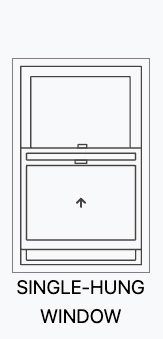
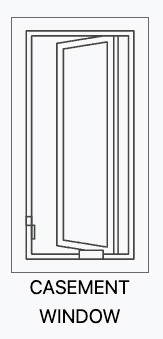
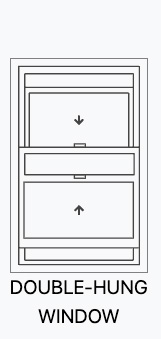




Single-Hung and Double-Hung Windows
These classic styles are timeless for a reason. Both feature two sashes (the framed panes of glass), but the difference lies in how they operate:
- Single-hung windows open only from the bottom, with the top sash fixed in place.
- Double-hung windows allow both the upper and lower sashes to move, making cleaning and ventilation a breeze.
Best for: Traditional homes, bedrooms, and spaces where you want an easy-to-operate design.
Pros
- Double-hung: Great airflow; both sashes tilt in for easy cleaning
- Single-hung: More affordable, fewer moving parts, low maintenance
Cons
- Double-hung: Slightly higher cost; more moving parts can mean more upkeep
- Single-hung: Limited ventilation from the bottom only
Casement Windows
Casement windows swing outward using a crank and are hinged on one side. When open, they catch side breezes perfectly, providing excellent ventilation and tight sealing when closed.
Best for: Kitchens, living rooms, or anywhere you want maximum airflow and unobstructed views.
Pros
- Among the most energy-efficient window types
- Easy to open in hard-to-reach spots
- Great for ventilation
Cons
- Needs exterior clearance to open fully
- Crank hardware can wear over time
Sliding Windows
Sliding windows glide horizontally along a track. Their wide panes allow plenty of light while offering smooth operation with minimal mechanical parts.
Best for: Contemporary homes, basements, or patio-facing rooms.
Pros
- Sleek, space-saving design—no outward clearance needed
- Expansive glass area for natural light
- Easy to maintain
Cons
- Tracks can collect dust and need regular cleaning
- Less ventilation than casement styles
Picture Windows
Picture windows are fixed panes that don’t open—they simply frame your outdoor view like a piece of art.
Best for: Living areas with beautiful views or rooms that already have other operable windows for airflow.
Pros
- Energy-efficient with airtight seals
- Floods rooms with natural light
- Zero moving parts = low maintenance
Cons
- No ventilation
- Can’t be used for egress (emergency exit)
Awning Windows
Hinged at the top and opening outward, awning windows allow air circulation even when it’s raining.
Best for: Bathrooms, basements, or over kitchen sinks.
Pros
- Ventilation during rain without letting water in
- Great insulation and security
- Works well in tight spaces
Cons
- Smaller glass area than other types
- Must have clearance outside to open
Garden Windows
Garden windows project outward to create a small shelf—perfect for potted herbs or décor.
Best for: Kitchens or sunny spots that could use a touch of greenery.
Pros
- Adds natural light and dimension to a room
- Ideal for plants and displays
- Brings a bit of outdoors inside
Cons
- Slightly core complex installation usually required
- More exposed to exterior weather
Bay Windows
Bay windows extend outward from the home’s wall, usually made up of three connected panels. They add charm, dimension, and extra interior space.
Best for: Living rooms, dining areas, or reading nooks.
Pros
- Expands interior space and light
- Adds curb appeal
- Can create window-seat storage
Cons
- Higher installation cost
- Exterior cleaning on upper floors can be tricky
Window Frame Materials
The right window frame material affects durability, insulation, and maintenance needs. Here’s how the major options compare.
Vinyl Windows
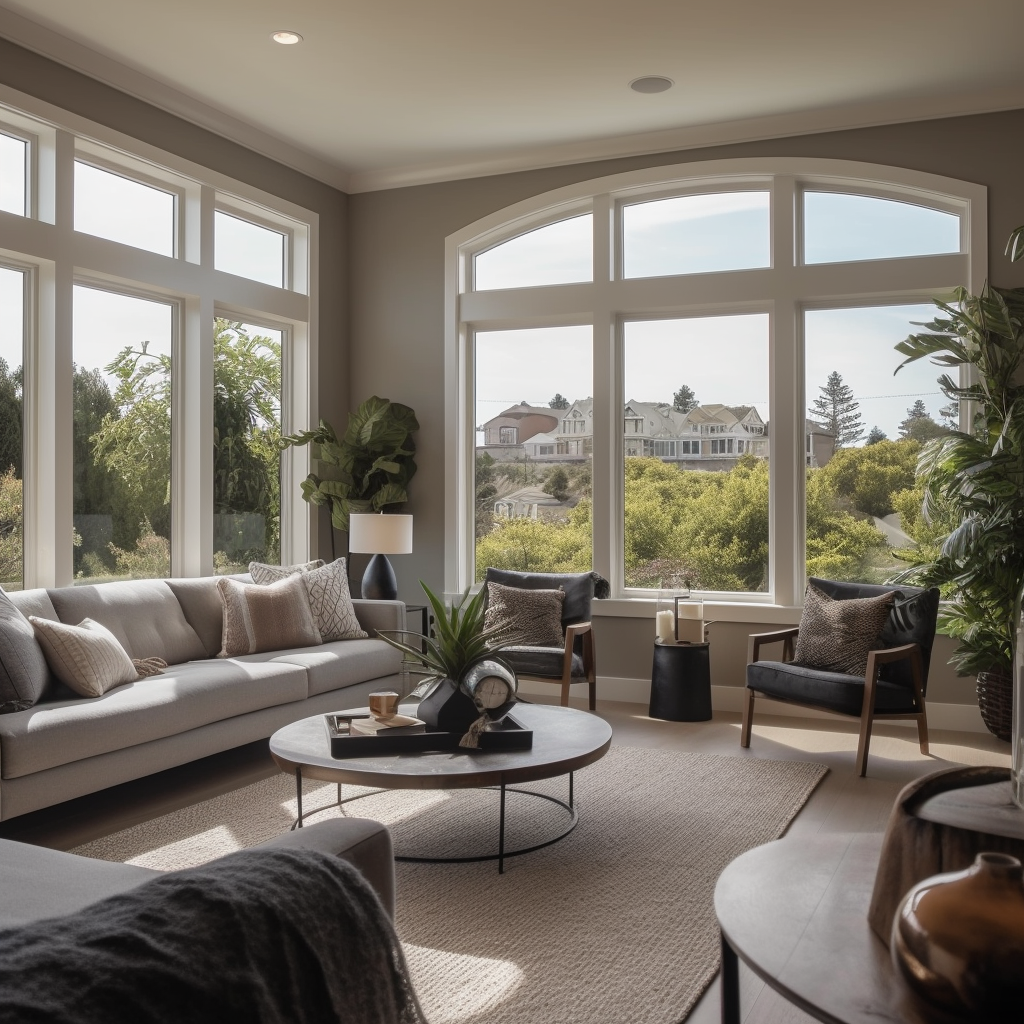
The most popular option for modern homeowners in Arizona, vinyl windows offer affordability, energy efficiency, and low maintenance.
Pros
- Excellent insulation and weather resistance
- Never needs painting or refinishing
- Great value for the price
Cons
- Fewer color and finish options than wood
- Can expand or contract slightly in extreme heat
Fiberglass Windows
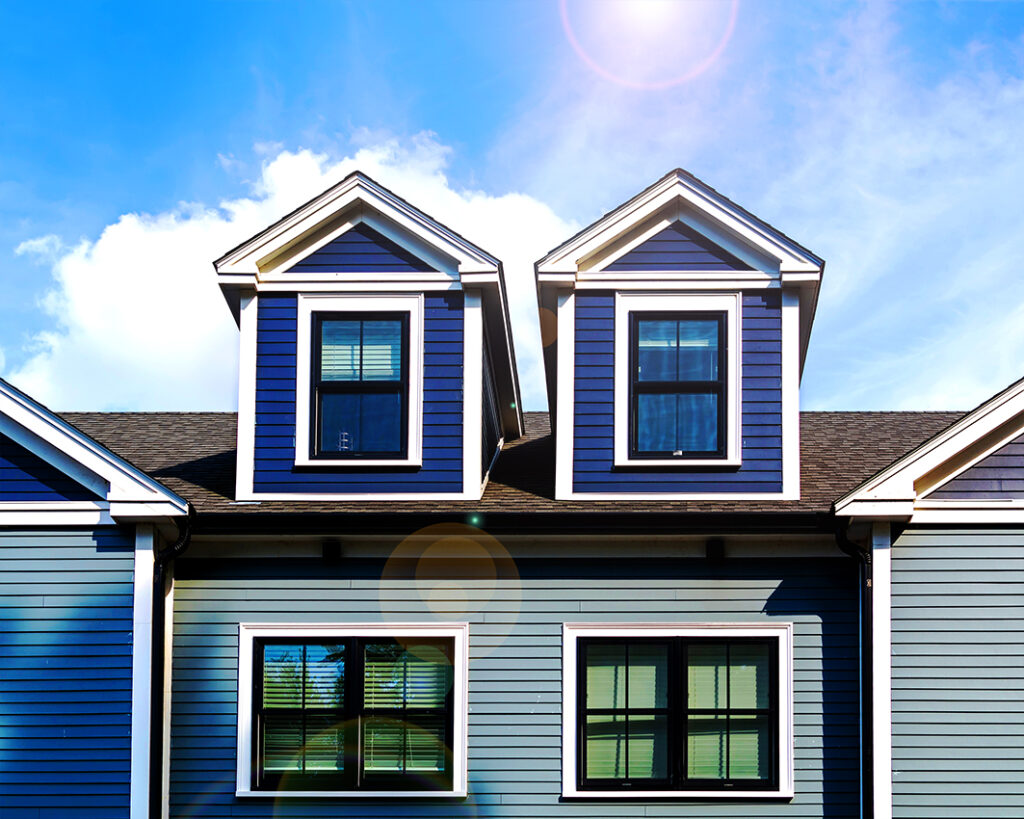
Strong, stable, and highly energy-efficient, fiberglass windows can handle dramatic temperature changes without warping or cracking.
Pros
- Extremely durable and long-lasting
- Resists swelling, rotting, and corrosion
- Can be painted for a custom look
Cons
- More expensive upfront
- Limited availability in certain styles
Aluminum Windows
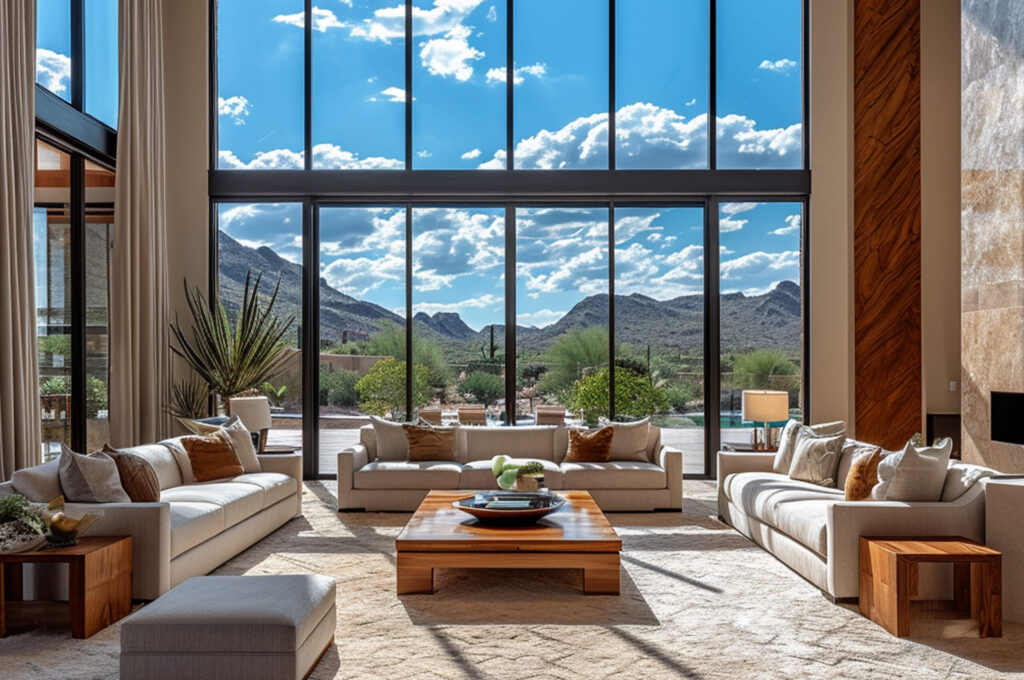
Known for their strength and modern aesthetic, aluminum frames are a go-to for contemporary architecture.
Pros
- Sleek, thin frames allow more glass area
- Lightweight yet strong
- Great for large window openings
Cons
- Less energy-efficient than other materials unless thermally improved
- Can easily conduct heat and cold
Wood Windows
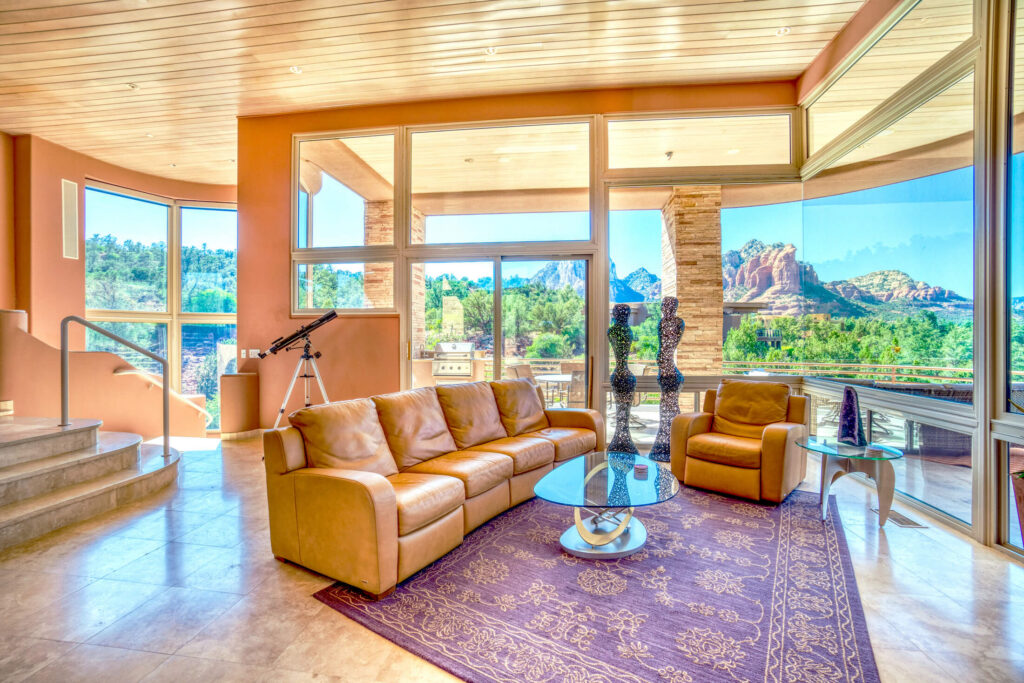
Wood windows provide unmatched natural beauty and insulation. Their timeless look suits both historic and craftsman-style homes.
Pros
- Warm, classic appearance
- Excellent insulator when properly sealed
- Can be painted or stained to match interiors
Cons
- Requires regular maintenance
- Can warp or rot if not properly protected or maintained
Wood Clad Windows
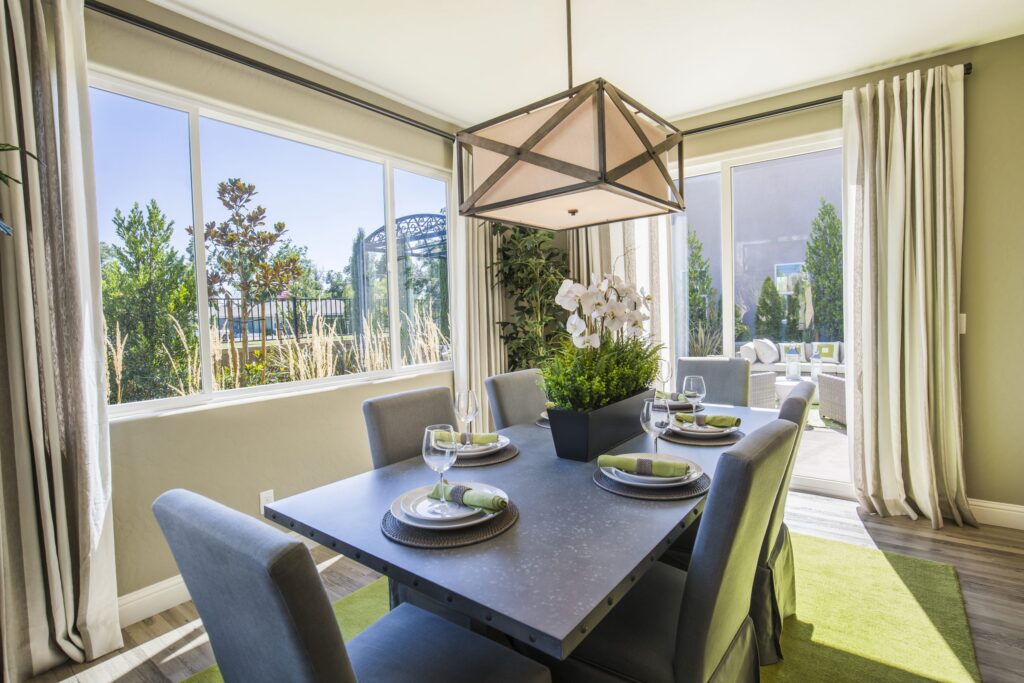
Wood clad windows combine a wood interior with a weather-resistant exterior—often vinyl, aluminum, or fiberglass.
Pros
- Classic interior beauty, durable exterior protection
- Low maintenance compared to pure wood
- Great balance of performance and design
Cons
- Slightly higher cost than traditional vinyl windows
Obscure Glass Windows
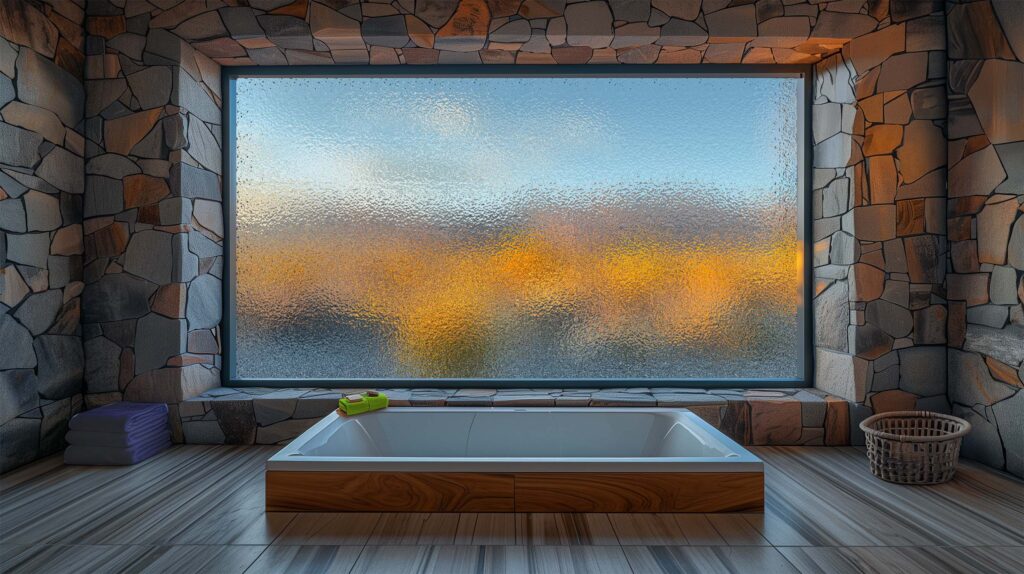
Obscure glass windows use frosted or textured glass to let light in while maintaining privacy.
Best for: Bathrooms, entryways, or any room where privacy is key.
Pros
- Ideal blend of light and privacy
- Adds architectural interest
- Available in various textures and tints
Cons
- Limited visibility outward
- Usually fixed or paired with operable styles
How to Choose the Right Window for Your Home
When deciding which type of window to install, consider:
- Climate: In hot or variable climates like Arizona, vinyl generally performs best against heat and sun, and occasional wind, dust and rain.
- Ventilation Needs: Casement, double-hung, and awning windows offer great airflow for those cooler Arizona nights.
- Design Goals: Wood and bay windows add traditional charm for those Northern Arizona homes; aluminum and sliding styles complement modern homes very well. Vinyl is the most popular option for most neighborhoods in Arizona, and offers the biggest variety of colors to choose from to match your own personal style or preference.
- Maintenance Level: Vinyl, fiberglass and aluminum are virtually maintenance-free; wood needs periodic refinishing as well as occasional protection and sealing, depending on the area of Arizona you may be in.
Final Thoughts
The right window does more than let light in—it enhances comfort, efficiency, and the character of your home. Whether you prefer contemporary and modern, pueblo revival, or spanish colonial, there’s a perfect match for every space in Arizona.
If you’re ready to explore what’s possible, contact American Vision Windows of Arizona today or visit one of our showrooms nearest you!
Frequently Asked Questions About Window Types and Styles
What are the most common types of windows for homes?
The most popular window types include single-hung, double-hung, casement, sliding, picture, awning, garden, and bay windows. Each offers unique advantages—single- and double-hung styles are versatile and classic, while casement and sliding options are great for airflow and modern appeal.
Which window style is best for energy efficiency?
Casement windows are among the most energy-efficient because their sash presses tightly against the frame when closed, reducing air leaks. Vinyl and fiberglass frames also enhance insulation, especially when paired with Low-E glass and double- or triple-pane designs.
What’s the difference between single-hung and double-hung windows?
A single-hung window has a fixed top sash and a movable bottom sash.
A double-hung window allows both sashes to move, making it easier to clean and improve airflow. Double-hung models cost slightly more but provide better ventilation flexibility.
Which window type lets in the most natural light?
Picture windows and bay windows bring in the most sunlight because of their large, unobstructed glass areas. They’re ideal for living rooms, dining spaces, or any room where maximizing daylight and views matters more than ventilation.
What are the best window materials for hot or sunny climates like Arizona?
Vinyl windows is the top performer in this region thanks to its thermal stability and low maintenance. Aluminum can work well too, but look for models with thermal breaks to reduce heat and cool transfer.
How long do different window materials last?
- Vinyl: 20–40 years
- Fiberglass: 30–50 years
- Aluminum: 20–30 years
- Wood: 15–30 years (with proper maintenance)
- Wood Clad: 25–40 years
Proper installation and care can extend the lifespan of any window.
Which window type adds the most value to a home?
Bay windows and wood-clad styles often increase home value due to their curb appeal and interior charm. Energy-efficient vinyl or fiberglass windows also boost resale value by improving comfort and lowering utility costs.
How do I choose the right window for my home?
Think about your climate, ventilation needs, and style preferences. For example:
- Arizona climate → Generally Vinyl or fiberglass
- Classic Arizona homes → Wood
- More modern designs → Aluminum and sliding glass
- Tight spaces → Awning or casement
If you’re unsure, scheduling a professional window consultation with a Project Manager helps match your goals with the best material and style combination that we can offer you.
Are obscure glass windows a good idea for privacy?
Yes—obscure glass (frosted or textured glass) allows natural light to enter while preventing visibility from outside. They’re perfect for bathrooms, entryways, or sidelights next to doors.
How often should you replace your windows?
Most builder grade windows last 15–25 years depending on the material. Replace them if you notice drafts, excess outside noise, difficulty opening or closing, or condensation between glass panes. Upgrading improves comfort, appearance, tranquility, and energy savings.
Arizona homeowners know the drill: months of searing triple-digit heat, followed by desert nights that can cool quickly (or even snow in places like Prescott and Flagstaff!) That kind of climate swing takes a toll on your comfort, your HVAC system, and your utility bills. One of the smartest upgrades you can make is replacing old, inefficient windows with modern energy-efficient models.
But just how much can you save, and what should you know before making the switch? Let's dig in.
How Much Can Energy-Efficient Windows Save?
According to the Department of Energy, heat gain and heat loss through windows account for 25–30% of residential heating and cooling energy use. That's a significant chunk of your utility bill, especially in Arizona, where air conditioners run most of the year.
Nationally, ENERGY STAR® reports that replacing outdated single-pane windows with energy-efficient models saves up to $568 per year. In Arizona, those savings are often even higher, sometimes up to 30% off your monthly energy bills, thanks to the extreme desert heat.
Energy Efficient Windows ROI Snapshot for Arizona homeowners:
- 1 Year: $300–$600 in savings
- 5 Years: $1,500–$3,000 in savings
- 10 Years: $3,000–$6,000+ in savings
- 30 Years: Savings could exceed $15,000, depending on home size and climate
And remember, high-quality windows are built to last. Many glass warranties extend up to 20 years, with additional coverage of around 10 years for hardware and components. That means your investment is protected for decades, giving your windows plenty of time to pay for themselves.
Tax Credits and Incentives
On top of energy savings, homeowners may also qualify for federal incentives. The Energy Efficient Home Improvement Credit allows you to claim 30% of your project costs back in tax credits, up to $1,200 per year. Since this credit applies to a combination of qualifying home upgrades—such as windows, doors, insulation, and HVAC systems—it's a smart way to recover part of your investment while making your home more comfortable.
What Else Affects Home Energy Efficiency?
While new windows can make a noticeable difference in your energy bills, it’s important to remember that window performance is only one part of your home’s overall efficiency. Actual savings will vary depending on several factors:
- Insulation Quality – Poorly insulated walls, attics, and crawl spaces can let conditioned air escape, limiting the impact of new windows.
- Roofing & Ventilation – Dark or aging roofs absorb more heat, and insufficient ventilation can trap hot air inside.
- Appliance Efficiency – Heating, cooling, and water systems that are outdated or poorly maintained use more energy, which may overshadow window-related savings.
- Lifestyle & Usage – Household size, thermostat settings, and daily habits all influence energy consumption.
- Local Climate – Homes in hotter regions like Arizona face higher cooling demands. Replacing single-pane windows in our climate has an even greater impact, because outdated glass lets in massive amounts of heat.
This means your results with window replacement may differ from broad national averages. Still, upgrading to modern, energy-efficient windows is one of the most effective long-term investments you can make to improve comfort, reduce waste, and contribute to lower monthly utility costs.
What to Look For In Energy-Efficient Windows
When choosing new windows, pay attention to performance ratings that make the biggest impact in a desert climate:
- ENERGY STAR® and NFRC labels: Proof that windows meet or exceed efficiency standards.
- U-Factor: Measures how well a window resists non-solar heat transfer. Lower is better.
- Solar Heat Gain Coefficient (SHGC): Shows how much solar radiation gets through. In Arizona, choose a low SHGC to reduce unwanted heat.
- Whole-unit ratings: Always look at whole-window U-factor and SHGC numbers, not just center-of-glass, for the most accurate performance data.
Pro Tip: American Vision Windows of Arizona offers an exclusive Quadrafirm Glazing Package which adds multiple Low-E coatings to further improve insulation and protect against extreme temperature swings, all while letting in the natural light Arizona homeowners love.
Why Professional Installation Matters
Here's something many homeowners don't realize: even the most advanced energy-efficient window won't perform well if it's poorly installed. Correct installation ensures that:
- Windows, flashing, and seals are airtight
- Frames are properly integrated with your siding, stucco, or brick exterior
- Manufacturer warranties remain valid
At American Vision Windows of Arizona, our white-glove installation team uses non-expanding foam and OSI Quad Max sealant to create an air-tight, long-lasting fit. That means no leaks, no wasted energy, and no risk of sand or insects slipping through.
Added Benefits Beyond Energy Savings
Energy-efficient windows from American Vision Windows of Arizona don't just lower your utility bills. They also provide:
- UV Protection: Blocks up to 98% of harmful rays, preserving your furniture, floors, and art.
- Noise Reduction: Multi-pane designs and insulated frames make your home quieter.
- Comfort: Eliminate drafts and hot spots for more consistent indoor temperatures.
- Increased Home Value: Buyers love energy-efficient upgrades that reduce future costs.
The Bottom Line: A Smart Long-Term Investment
Energy-efficient windows cut down on energy waste, lower monthly bills, and keep your home comfortable in Arizona's harsh climate. While short-term improvements like caulking and window coverings can help, nothing compares to the performance—and long-term savings—of new, professionally installed windows.
Ready to see how much you can save? Contact American Vision Windows of Arizona today for a free consultation and discover why thousands of Arizona homeowners trust AVW for their window replacements.
Arizona Energy Efficient Windows FAQs
What does "energy efficiency" mean for windows?
Energy-efficient windows reduce heat transfer, keeping your home cooler in the summer and warmer in the winter. They use features like Low-E coatings, gas fills, and insulated frames to cut down on energy waste.
How much can I save with energy-efficient windows?
Most Arizona homeowners see immediate savings of up to 30% off their energy bills, especially if replacing outdated single-pane windows.
Do I need special windows for Arizona's climate?
Yes. Look for windows with low SHGC ratings to block solar heat, durable vinyl or fiberglass frames, and multiple Low-E coatings to handle both extreme heat and cold.
Is professional installation important?
Absolutely. Without proper installation, even the best window will leak air and waste energy. AVW's expert process ensures your windows perform as designed.
Should I replace all windows at once or in phases?
Replacing them all maximizes savings, but staged replacements are also effective. Our team helps prioritize based on your home's needs and budget.
Are there rebates or tax credits available?
Yes. Federal tax credits cover up to 30% of costs (up to $1,200 per year) for qualifying windows, and some Arizona utilities offer additional rebates.
What's the lifespan of energy-efficient windows?
High-quality windows typically last 20 years or more, providing decades of savings and comfort.
Gilbert, AZ (August 14th, 2025) – Qualified Remodeler, a leading publication serving remodelers and home improvement companies in the U.S., has ranked American Vision Windows Arizona as the No. 210 on its 47th annual TOP 500 remodelers of 2025. Since 1978, the QR TOP 500 has tracked the industry’s largest and fastest growing companies. In 2025, the TOP 500 represented nearly $25 billion in remodeling sales volume and 2.2 million completed jobs.
American Vision Windows Arizona was chosen as a 2025 TOP 500 remodeler by the Qualified Remodeler editorial staff for meeting a set of criteria including installed remodeling dollar volume, total years in business, industry association membership, industry certification, industry awards and community service.
American Vision Windows of Arizona, established in 2010, is a premier window and door provider committed to transforming the home improvement experience. With over 10,000 satisfied customers, American Vision Windows of Arizona is now the leading window replacement company in Arizona. Our extensive range of superior quality windows and doors enhances the aesthetics and energy efficiency of your home. Known for second-to-none installation services, American Vision Windows is the authority when it comes to windows and doors in Arizona. (ROC 267599)
“Based on Qualified Remodeler’s analysis, the TOP 500 firms tend to share several common attributes, including strong revenues, a commitment to customer service, insightful sales techniques and strong customer loyalty,” says Qualified Remodeler owner and editorial director, Patrick O’Toole. “These attributes helped put the firms on this list and contribute to their success.”
Additional information on the TOP 500 can be found in the August issue of Qualified Remodeler and at www.qualifiedremodeler.com.
Download PDF