

Inside a Modern Desert Home: Window & Door Systems That Shaped the Design
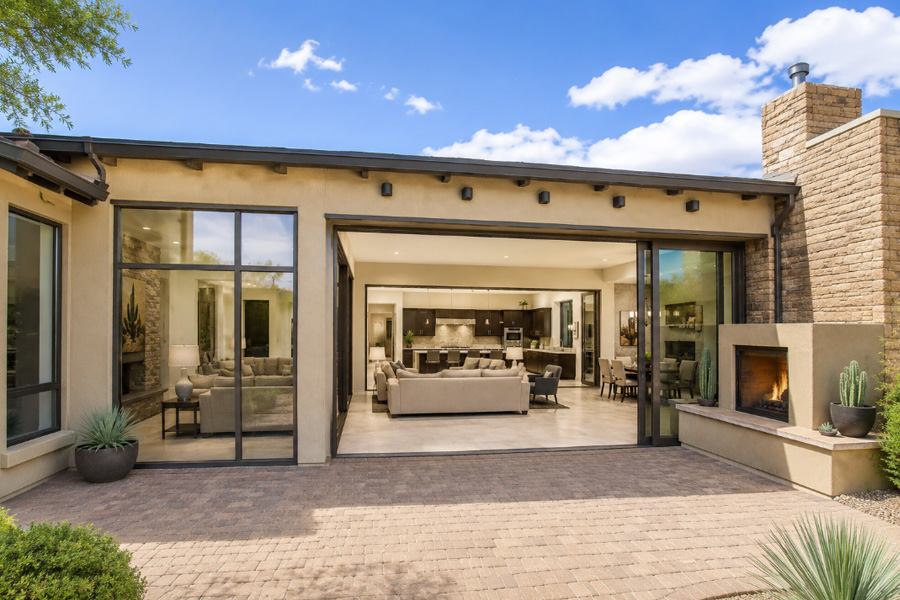
Designing a modern home in Arizona’s desert landscape requires a careful balance of aesthetics, comfort, and performance. Homeowners want expansive views, natural light, and seamless indoor-outdoor living - but they also need solutions that handle intense heat, strong sunlight, and seasonal monsoon storms.
That’s where thoughtfully designed window and door systems play a critical role. In modern desert homes, windows and doors aren’t just architectural features - they shape how the home interacts with the environment.
In this article, we’ll explore how modern window and door systems influence the design of desert homes, and what Arizona homeowners should consider when planning or upgrading their living spaces.
Designing for the Desert Environment
Arizona’s climate presents unique challenges for residential design. Cities like Phoenix, Scottsdale, and Tucson regularly experience summer temperatures above 100°F, with intense sun exposure for much of the year.
Because of this, architects and builders prioritize design strategies that help reduce heat gain while maximizing natural light and outdoor views.
Windows are a key factor in that equation. According to the U.S. Department of Energy, heat gain and loss through windows accounts for roughly 25-30% of residential heating and cooling energy use. In hot climates like Arizona, poorly designed windows can dramatically increase cooling costs.
Modern desert homes address this by combining high-performance window systems with thoughtful placement and architectural shading.
Floor-to-Ceiling Glass That Frames the Landscape
One of the defining features of modern desert homes is the use of large, floor-to-ceiling windows that showcase the surrounding desert scenery.
These windows allow homeowners to enjoy views of:
- Mountain ranges
- Desert sunsets
- Native landscaping and cacti
- Expansive skies
Large glass panels help blur the boundary between indoors and outdoors - an essential element of contemporary Southwestern architecture.
However, modern window technology makes these designs possible without sacrificing energy efficiency.
Many homes now use Low-E coated glass, which reflects infrared heat while still allowing visible light to enter. This helps maintain cooler interior temperatures while preserving natural brightness.
Sliding Glass Doors That Expand Living Spaces
Indoor-outdoor living is a major lifestyle feature for Arizona homeowners. Because the climate allows for outdoor entertaining most of the year, modern homes often incorporate large sliding glass door systems that open directly onto patios, pools, or courtyards.
These door systems can include:
- Multi-panel sliding doors
- Pocket doors that disappear into walls
- Stacking glass walls
When opened, they create a wide, unobstructed transition between interior living areas and outdoor spaces.
This design approach makes homes feel larger and encourages natural ventilation during cooler evenings.
It also aligns with a broader trend: homes with strong indoor-outdoor connections tend to feel more spacious and increase perceived property value, according to housing market studies.
Clerestory Windows for Light Without Heat
Another design element commonly seen in modern desert homes is the use of clerestory windows.
Clerestory windows are placed high on walls - often near the roofline - and allow natural light to enter without direct sun exposure.
This design offers several benefits:
- Increased natural daylight
- Improved privacy
- Reduced heat gain
- Enhanced architectural interest
Because they’re positioned higher on walls, clerestory windows can capture diffused light throughout the day while minimizing glare.
In Arizona homes, this helps brighten interior spaces while maintaining comfortable indoor temperatures.
Energy-Efficient Window Technology for Desert Homes
Modern window systems have evolved significantly over the past decade. Today’s energy-efficient windows are specifically engineered to handle extreme climates like Arizona’s.
Some of the most important features include:
Low-E Glass Coatings
Low-emissivity (Low-E) coatings reflect heat away from the home while allowing visible light through. This helps reduce cooling loads during Arizona’s hot summers.
Double- or Triple-Pane Glass
Multiple layers of glass with insulating gas between them reduce heat transfer and improve indoor comfort.
Vinyl or Fiberglass Frames
Vinyl and fiberglass frames provide strong insulation and durability, especially in high-heat environments.
Argon Gas Insulation
Argon gas between glass panes improves thermal performance and reduces heat transfer.
Homes that incorporate energy-efficient windows can significantly reduce energy use. ENERGY STAR estimates that homeowners can save an average of 12% on annual energy bills by upgrading to certified energy-efficient windows.
Strategic Window Placement in Desert Architecture
Beyond technology, window placement plays a major role in desert home design.
Architects often follow passive design principles to maximize comfort.
Common strategies include:
South-Facing Windows
South-facing windows allow consistent daylight while making it easier to control heat gain with overhangs or shading devices.
Limited West-Facing Glass
West-facing windows receive intense afternoon sun in Arizona, which can dramatically increase indoor temperatures.
Designers often reduce west-facing windows or use advanced glazing to limit heat exposure.
Deep Overhangs and Shading
Roof overhangs, pergolas, and exterior shades protect windows from direct sunlight while still allowing natural light.
This combination of architecture and window technology helps maintain comfortable interiors without excessive reliance on air conditioning.
Windows That Enhance the Modern Desert Aesthetic
In addition to performance benefits, modern window and door systems strongly influence the visual identity of a home.
Contemporary desert homes often feature:
- Slim window frames
- Large uninterrupted glass panels
- Black or bronze finishes
- Minimalist hardware
These design elements complement the clean lines and natural materials commonly used in desert architecture, such as stone, stucco, and wood accents.
The result is a home that feels open, bright, and connected to its surroundings.
The Growing Demand for Energy-Smart Homes in Arizona
Energy efficiency is becoming increasingly important for homeowners across Arizona.
According to real estate research, energy-efficient homes often sell faster and may command higher resale value, particularly in markets where cooling costs are significant.
Buyers today are more aware of:
- Monthly energy expenses
- Indoor comfort levels
- Sustainability and environmental impact
High-performance window and door systems help address all three concerns.
For homeowners building or renovating a desert home, choosing the right windows is one of the most effective ways to improve comfort and long-term efficiency.
Final Thoughts
Modern desert homes are defined by their connection to the surrounding landscape. Large windows, expansive sliding doors, and thoughtful natural lighting create homes that feel open, bright, and perfectly suited to Arizona living.
But these design choices aren’t just about aesthetics - they’re also about performance.
By combining advanced window technology with smart architectural placement, homeowners can enjoy stunning views, abundant natural light, and comfortable indoor temperatures even in the Arizona heat.
For anyone planning a new build or home renovation in the desert Southwest, investing in high-quality window and door systems is one of the most impactful design decisions you can make.
Frequently Asked Questions
What are the best windows for homes in Arizona’s desert climate?
Energy-efficient windows with Low-E coatings, double-pane glass, and insulated frames are ideal for reducing heat gain while maintaining natural light.
Why do modern desert homes use large windows?
Large windows allow homeowners to capture scenic desert views and maximize natural light, creating a strong connection between indoor and outdoor living spaces.
Are sliding glass doors energy efficient?
Yes - modern sliding doors with insulated glass and weather-sealed frames are designed to provide strong thermal performance while still offering expansive openings.
How do windows affect cooling costs in Arizona?
Windows play a significant role in heat gain. Poorly insulated windows can increase cooling costs, while energy-efficient windows help maintain indoor temperatures and reduce air conditioning use.
Can new windows increase home value?
Yes. Energy-efficient upgrades, including high-performance windows and doors, are attractive to buyers and can increase resale appeal in hot climates like Arizona.