

How Often Do Windows Need to Be Replaced in Arizona?
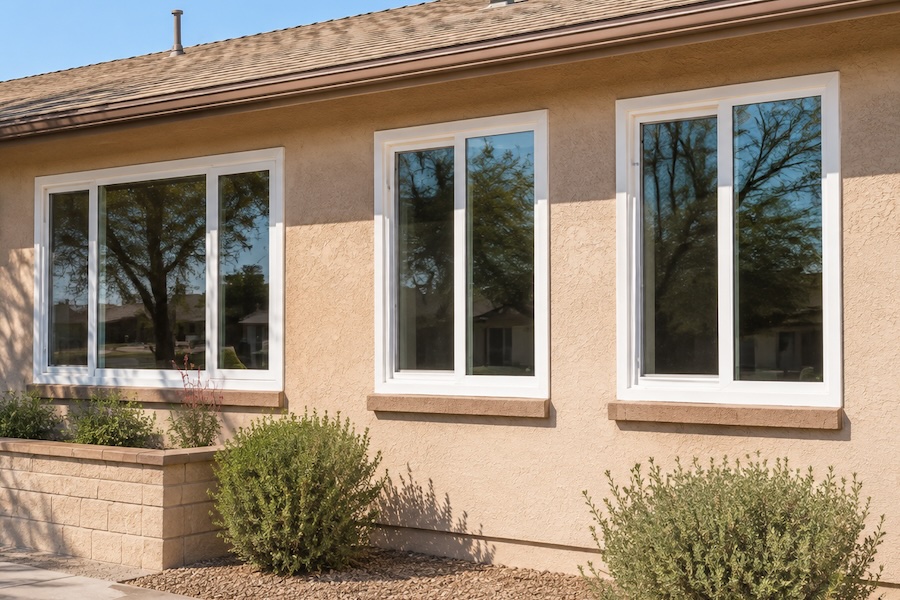
Most home windows need to be replaced every 15 to 30 years. Well-made windows that were installed correctly may last longer. In Arizona, though, intense sun, high temperatures, blowing dust, and monsoon storms can wear out seals and frames sooner.
Age is only one part of the answer. A 25-year-old window that still opens, closes, and seals well may not need immediate replacement. A 10-year-old window with failed seals or a warped frame may already be causing problems.
The best way to decide is to look at the window’s condition, comfort inside your home, and cooling costs—not just the date it was installed.
How Long Do Windows Last in Arizona?
A window’s service life depends on its frame, glass, installation, and exposure to the weather. As a general guide:
- Vinyl windows often last 20 to 30 years. Strong heat can cause lower-quality vinyl to warp, fade, or become brittle sooner.
- Aluminum windows may last 20 to 30 years or more. The frame is durable, but older aluminum windows often transfer heat more easily than newer products with thermal breaks.
- Wood windows can last 30 years or longer with regular care. Arizona’s dry air and direct sun can crack paint, dry out wood, and damage exposed sections.
- Fiberglass windows often last 30 years or more. Fiberglass handles temperature changes well and is less likely to expand or warp.
These ranges are estimates, not expiration dates. The west-facing windows on an Arizona home may age faster than shaded windows on the north side. Installation quality can also make a bigger difference than the frame material itself.
Why Arizona’s Climate Is Hard on Windows
Arizona windows face conditions that homes in milder climates may not.
Intense Sun and UV Exposure
Direct sunlight can fade frames, weaken some materials, and damage seals over time. West-facing windows take the strongest hit because they receive afternoon sun when outdoor temperatures are often at their highest.
Major Temperature Changes
Window frames and seals expand when they get hot and contract as temperatures fall. Years of this movement can create small gaps, loosen seals, and make windows harder to operate.
Dust and Wind
Fine desert dust can collect in tracks and hardware. If it is not cleaned out, it can make sliding windows stick and wear down moving parts. Wind-driven debris during a monsoon can also damage screens, glass, and exterior seals.
Heavy Monsoon Rain
Arizona is dry for much of the year, but monsoon storms can expose weak caulking or poor installation. Water around the frame, stains on the wall, or soft drywall should be checked quickly.
8 Signs Your Windows May Need to Be Replaced
You do not need to wait for a broken pane. Windows often give smaller warnings before they fail.
1. Your Rooms Feel Hot Near the Glass
It is normal for a sunny window to feel warmer than an interior wall. It is not normal for the area around it to feel like a heater. Older single-pane glass and windows with poor solar control allow more heat into the room, which makes your air conditioner work harder.
2. Your Cooling Bills Keep Rising
A higher electric bill does not always mean the windows are at fault. Air leaks, damaged ductwork, low insulation, and an aging air conditioner can cause the same problem. Still, old or leaky windows may add to the cooling load—especially if your home has many large, unshaded windows.
Before replacing every window, consider a home energy assessment. It can help show where your home is gaining heat or losing cooled air.
3. You See Fog Between the Panes
Fog or moisture trapped between two panes of glass usually means the insulated glass seal has failed. The window may still open and close, but it no longer performs as designed. In some cases, the glass unit can be replaced without replacing the full frame. If several older windows have the same issue, full replacement may offer better value.
4. The Window Is Hard to Open or Lock
A window that sticks may only need its track cleaned. But a warped frame, damaged balance, or failing hardware can make the window unsafe and difficult to use. Bedroom windows deserve special attention because they may serve as emergency exits.
5. You Feel Air Around the Frame
On a windy day, move your hand slowly around the edge of the closed window. If you feel air coming through, the weatherstripping or caulk may have failed. Small gaps can often be sealed. Larger gaps or movement between the window and wall may point to an installation problem.
6. The Frame Is Warped, Cracked, or Pulling Away
Surface fading is mostly cosmetic. Cracks, warping, soft wood, or gaps at the corners are more serious. These problems can keep the sash from closing tightly and may allow water or dust into the wall.
7. Outside Noise Has Become More Noticeable
Older single-pane windows do little to block traffic, aircraft, landscaping equipment, or neighborhood noise. New windows will not make a room silent, but the right glass and a tight installation can reduce how much sound gets inside.
8. Your Furniture and Floors Are Fading
Arizona sunlight can fade flooring, rugs, furniture, and artwork. Modern low-emissivity, or low-e, glass can reduce much of the UV exposure that passes through a window while still letting in daylight.
Should You Repair or Replace Your Windows?
Not every problem calls for a new window. A repair may make sense when the window is still in good shape and the issue is limited to:
- Worn weatherstripping
- Cracked or missing caulk
- A dirty track
- A damaged screen
- One broken lock or piece of hardware
- A single failed glass unit in a newer window
Replacement is more likely to be the better choice when the frame is warped, the window has repeated seal failures, water is entering around the opening, or the window no longer locks safely. It may also make sense when many old, single-pane windows are making the home uncomfortable.
Be cautious of anyone who recommends replacing every window based only on age. A trustworthy window professional should inspect the glass, frame, seals, and surrounding opening before making a recommendation.
What Type of Replacement Window Works Best in Arizona?
In a hot climate, the glass package matters as much as the frame. Look for the National Fenestration Rating Council (NFRC) label, which gives you a consistent way to compare products.
Pay close attention to these ratings:
- Solar Heat Gain Coefficient (SHGC): This shows how much heat from the sun passes through the window. A lower number means less solar heat enters the home. ENERGY STAR notes that a low SHGC is important in warm climates, especially on south-, east-, and west-facing windows.
- U-factor: This measures how easily heat moves through the full window. A lower U-factor means better insulation.
- Visible transmittance: This shows how much visible light passes through the glass. It helps you compare daylight levels instead of assuming darker glass is always more efficient.
- Air leakage: This measures how much air can pass through the window assembly. Lower numbers mean a tighter window.
Choose a product rated for your county and climate zone. The ENERGY STAR climate zone finder can help you check local requirements.
Low-e glass is another important feature for Arizona homes. The thin coating reflects heat while allowing natural light to enter. For windows that receive strong afternoon sun, exterior shade from an awning, screen, patio cover, or well-placed tree can provide another layer of protection.
Do New Windows Lower Energy Bills?
They can, but the savings vary from home to home. The U.S. Department of Energy reports that energy-efficient windows may reduce annual household energy bills by about 7% to 15% or more, depending on the location and the windows being replaced.
That does not mean every Arizona homeowner will see the same result. Savings depend on the size and direction of the windows, shade, insulation, thermostat settings, air-conditioner efficiency, and local utility rates.
Windows should be part of a full comfort plan. The Department of Energy recommends checking insulation and air sealing before replacement. If cooled air is escaping through the attic or ductwork, new windows alone will not solve the whole problem.
Is It Better to Replace All Windows at Once?
Not always. Replacing every window at the same time can give the home a consistent look and reduce repeat installation costs. It may be a good fit if all the windows are the same age and have similar problems.
A phased approach can also work. Start with windows that are damaged, unsafe, or exposed to the strongest sun. In many Arizona homes, west-facing windows create the most noticeable afternoon heat. Replacing the worst performers first lets you spread out the cost while addressing the rooms that need help most.
If you replace windows in stages, select a product line you expect to remain available. This makes it easier to match the frame style, color, glass, and hardware later.
When Is the Best Time to Replace Windows in Arizona?
Window replacement can happen throughout the year, but spring and fall often bring more comfortable installation weather. Summer installation is still possible. A careful crew should remove and replace one opening at a time so the home is not left exposed to the heat.
Do not delay a window that will not lock, has broken glass, or is allowing water into the wall. Safety and water damage matter more than the season.
How to Get an Honest Answer About Your Windows
If your windows are near the 15- to 30-year range, begin with an inspection instead of assuming they all need to go. Note which rooms feel hottest, which windows stick, and where you see fog, gaps, or damaged frames. Gather an electric bill from the same month last year if rising cooling costs are part of your concern.
Then ask a qualified window professional to explain:
- Which windows need immediate attention
- Which ones can be repaired
- What caused the damage
- Which NFRC ratings fit your Arizona location
- How the installation will be sealed against heat, dust, and rain
- What the product and labor warranties cover
The right time to replace a window is when its condition, safety, or performance no longer meets your needs—not simply when it reaches a certain birthday.
Frequently Asked Questions
How often do vinyl windows need to be replaced in Arizona?
Vinyl windows often last 20 to 30 years, but product quality and sun exposure make a major difference. Warping, brittle frames, failed seals, and windows that no longer close tightly are stronger reasons to replace them than age alone.
Can windows last 40 years?
Yes. High-quality wood, fiberglass, or well-maintained windows may last 40 years or longer. However, an older window can remain functional while offering less comfort and energy performance than modern glass.
Is fog between window panes a reason to replace the window?
Fog between panes usually means the insulated glass seal has failed. A professional may be able to replace only the glass unit if the frame is still sound. Full replacement may make more sense if the frame is damaged or several old windows have failed seals.
Are single-pane windows bad for Arizona homes?
Single-pane windows provide little insulation from outdoor heat. They may still work, but they can make rooms near the glass less comfortable. Double-pane windows with the right low-e coating and a low SHGC usually provide better solar control.
Should I replace windows before selling my home?
Replace windows before selling when they are broken, unsafe, leaking, or clearly damaged. Replacing every older window may not return its full cost. Ask a local real estate professional which improvements buyers in your area value most.