

Blur the Lines Between Inside and Out with the Right Door System
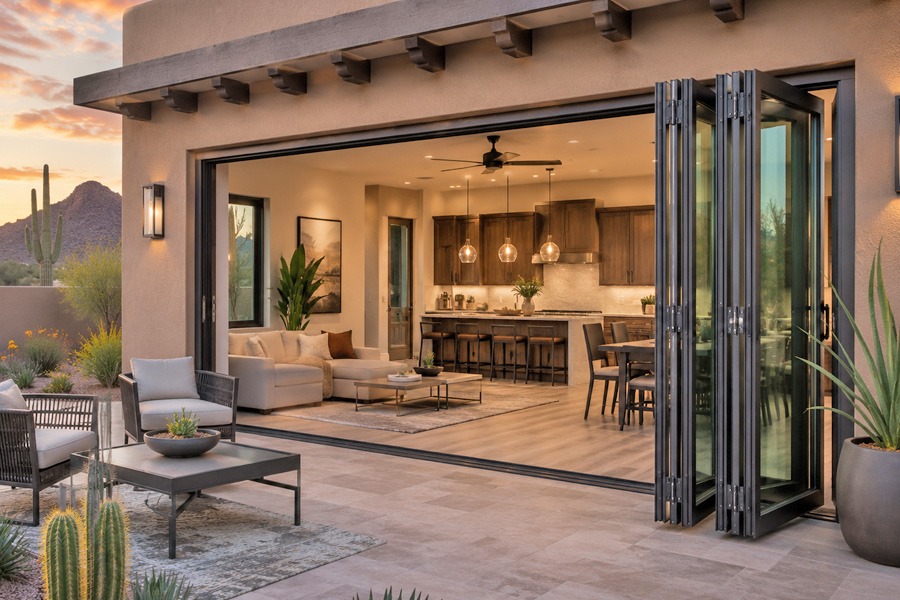
Modern homes are no longer divided strictly into “inside” and “outside.” Today’s design philosophy leans toward openness, spaces that flow naturally from the living room to the patio, from the kitchen to the garden.
At the center of this transformation are architectural door systems. Choosing the right system isn’t just about aesthetics. It impacts:
- Natural light
- Ventilation
- Energy efficiency
- Usability of space
- Overall property value
If you’re planning an upgrade, understanding the top architectural door systems for indoor-outdoor living will help you make a decision that balances style, performance, and long-term value.
What Are Architectural Door Systems?
Architectural door systems are large-format, design-forward doors engineered to create wide openings and seamless transitions between spaces.
Unlike traditional patio doors, these systems:
- Span larger widths
- Use advanced track or pivot mechanisms
- Emphasize minimal frames and maximum glass
- Integrate indoor and outdoor environments
They’re a core feature in modern, luxury, and even mid-range remodels.
Why Indoor-Outdoor Living Is So Popular
Homeowners are prioritizing:
- More natural light
- Better airflow
- Flexible entertaining spaces
- Connection with nature
Architectural door systems make this possible by physically and visually opening up your home.
Key benefits include:
- Expands usable living space
- Enhances property value
- Improves mood and well-being
- Creates a modern, high-end aesthetic
Many homeowners combine these systems with window replacement services to maximize energy efficiency and visual consistency throughout the home.
Top Architectural Door Systems to Consider
Let’s break down the most popular options and where each one excels.
1. Bi-Fold Doors: Maximum Opening, Maximum Impact
Bi-fold doors consist of multiple panels that fold and stack neatly to one or both sides.
Why they stand out:
- Create a nearly full wall opening
- Ideal for entertaining and large gatherings
- Offer a dramatic visual effect
Best use cases:
- Living rooms opening to patios
- Dining areas connecting to outdoor kitchens
- Homes with wide wall openings
- Maximum opening width
- Strong indoor-outdoor connection
- Modern, premium look
Limitations:
- Higher cost
- Requires space for panels to stack
- Slightly more maintenance due to hinges
2. Multi-Slide Doors: Smooth, Minimal, Elegant
Multi-slide doors consist of large glass panels that slide horizontally along a track. Panels can stack or disappear into a wall pocket.
Why homeowners love them:
- Clean, minimalist aesthetic
- Smooth operation
- Great for wide openings
Best use cases:
- Contemporary homes
- Spaces where you want large glass views even when closed
- Space-efficient (no folding panels)
- Sleek and modern
- Can be motorized for convenience
Limitations:
- Doesn’t open as fully as bi-fold doors
- Requires precise installation
3. Pocket Sliding Doors: Disappearing Elegance
A variation of multi-slide systems, pocket doors slide into the wall cavity, completely disappearing from view.
Why they remain popular:
- No visible panels when open
- Creates a true indoor-outdoor merge
Best use cases:
- High-end custom homes
- Clean architectural designs
Limitations:
- Requires wall modifications
- Higher installation complexity
4. French Doors: Classic and Timeless
French doors are hinged double doors that open outward or inward.
Why they remain popular:
- Traditional aesthetic
- Cost-effective compared to modern systems
- Easy installation
Best use cases:
- Smaller openings
- Transitional or classic home styles
Limitations:
- Limited opening width
- Less seamless compared to modern systems
5. Pivot Doors: Bold and Architectural
Pivot doors rotate on a central hinge, creating a striking visual effect.
Why they stand out:
- Unique, high-end design
- Can accommodate large door panels
- Makes a strong architectural statement
Best for:
- Entryways or statement transitions
- Luxury homes
Drawbacks:
- Expensive
- Not ideal for maximizing airflow
Architectural Door Systems Comparison Table
Opening Width
- Bi-Fold Doors: It has maximum opening width, allowing the entire wall to open up.
- Multi-Slide Doors: It has moderate to high opening width depending on the number of panels.
- Pocket Doors: It has maximum opening width since the panels slide completely into the wall.
- French Doors: It has limited opening width because of its hinged design.
- Pivot Doors: It has moderate opening width, usually with one large panel.
Aesthetic Style
- Bi-Fold Doors: It has a modern look that fits contemporary homes.
- Multi-Slide Doors: It has a minimalist style with clean lines and large glass panels.
- Pocket Doors: It has an ultra-modern appearance with a seamless design.
- French Doors: It has a traditional style with classic detailing.
- Pivot Doors: It has a bold and luxury-focused design.
Space Efficiency
- Bi-Fold Doors: It has medium space efficiency since panels need room to fold.
- Multi-Slide Doors: It has high space efficiency as panels slide along a track.
- Pocket Doors: It has high space efficiency because panels disappear into the wall.
- French Doors: It has medium space efficiency due to the swing space required.
- Pivot Doors: It has high space efficiency with its central pivot mechanism.
Cost
- Bi-Fold Doors: It has a high cost due to materials and design.
- Multi-Slide Doors: It has a high cost depending on size and configuration.
- Pocket Doors: It has a very high cost because of wall integration.
- French Doors: It has a low to medium cost, making it more affordable.
- Pivot Doors: It has a very high cost as a premium option.
Installation
- Bi-Fold Doors: It has a complex installation with multiple moving panels.
- Multi-Slide Doors: It has complex installation requiring precise track alignment.
- Pocket Doors: It has a very complex installation since it goes inside the wall.
- French Doors: It has simple installation compared to other options.
- Pivot Doors: It has complex installation due to specialized hardware.
Indoor-Outdoor Flow
- Bi-Fold Doors: It provides excellent indoor-outdoor flow.
- Multi-Slide Doors: It provides very good indoor-outdoor flow.
- Pocket Doors: It provides excellent indoor-outdoor flow with full opening.
- French Doors: It provides moderate indoor-outdoor flow.
- Pivot Doors: It provides moderate indoor-outdoor flow.
How to Choose the Right Door System
The “best” option depends on your priorities.
- Choose bi-fold doors if you want the widest possible opening, entertaining is a priority, or you want a dramatic transformation.
- Choose multi-slide doors if you prefer a clean, modern look, you want large glass panels with smooth operation, or space efficiency matters.
- Choose pocket doors if you want a completely open wall or you’re building or doing a major remodel.
- Choose French doors if you’re on a budget or your home has a traditional design.
- Choose pivot doors if you want a bold architectural feature or design impact matters more than functionality.
Key Design Considerations
Before selecting a system, consider:
1. Structural Requirements
Large openings may require structural modifications.
2. Climate and Energy Efficiency
Look for:
- Double or triple glazing.
- Thermal breaks.
- Weather-resistant materials.
Combining these doors with window replacement services can significantly improve insulation and energy savings.
3. Material Choices
Common materials include:
- Aluminum (modern, durable).
- Wood (warm, traditional).
- Vinyl (cost-effective).
- Fiberglass (energy-efficient).
4. Indoor-Outdoor Flow Design
Think beyond the door:
- Matching floor levels.
- Consistent flooring materials.
- Covered outdoor areas.
Common Mistakes to Avoid
Many homeowners make decisions based purely on appearance.
- Ignoring structural requirements.
- Choosing style over functionality.
- Underestimating installation complexity.
- Not considering maintenance.
- Skipping professional consultation.
Best Practices for Long-Term Performance
To get the most out of your investment:
- Work with experienced installers.
- Choose high-quality hardware.
- Ensure proper sealing and insulation.
- Maintain tracks and hinges regularly.
Professional installation is key when investing in advanced systems like these.
When Should You Upgrade Your Doors?
Consider upgrading if:
- You’re remodeling your home.
- Your current doors limit natural light.
- You want better ventilation.
- You’re aiming for a modern aesthetic.
Upgrading doors often delivers one of the highest visual impacts in a renovation.
Final Thoughts
Architectural door systems are a powerful way to transform your home.
- Bi-fold doors: Maximum openness.
- Multi-slide doors: Sleek and modern.
- Pocket doors: Seamless integration.
- French doors: Classic and budget-friendly.
- Pivot doors: Bold and luxurious.
The right choice depends on your space, budget, and design goals.
Frequently Asked Questions
What is the best door system for indoor-outdoor living?
Bi-fold and multi-slide doors are the most popular due to their wide openings and modern design.
Are multi-slide doors better than bi-fold doors?
They offer a sleeker look but don’t open as wide as bi-fold doors.
Do these doors improve home value?
Yes, they enhance aesthetics, functionality, and buyer appeal.
Are architectural door systems energy-efficient?
Modern systems with proper glazing and insulation are highly energy-efficient.
Can I install these doors in any home?
Not always. Structural modifications may be required.
How do I maintain these doors?
Regular cleaning of tracks, hinges, and seals ensures smooth operation.