

The Ultimate Window Guide for Homeowners: Types, Styles, and Materials
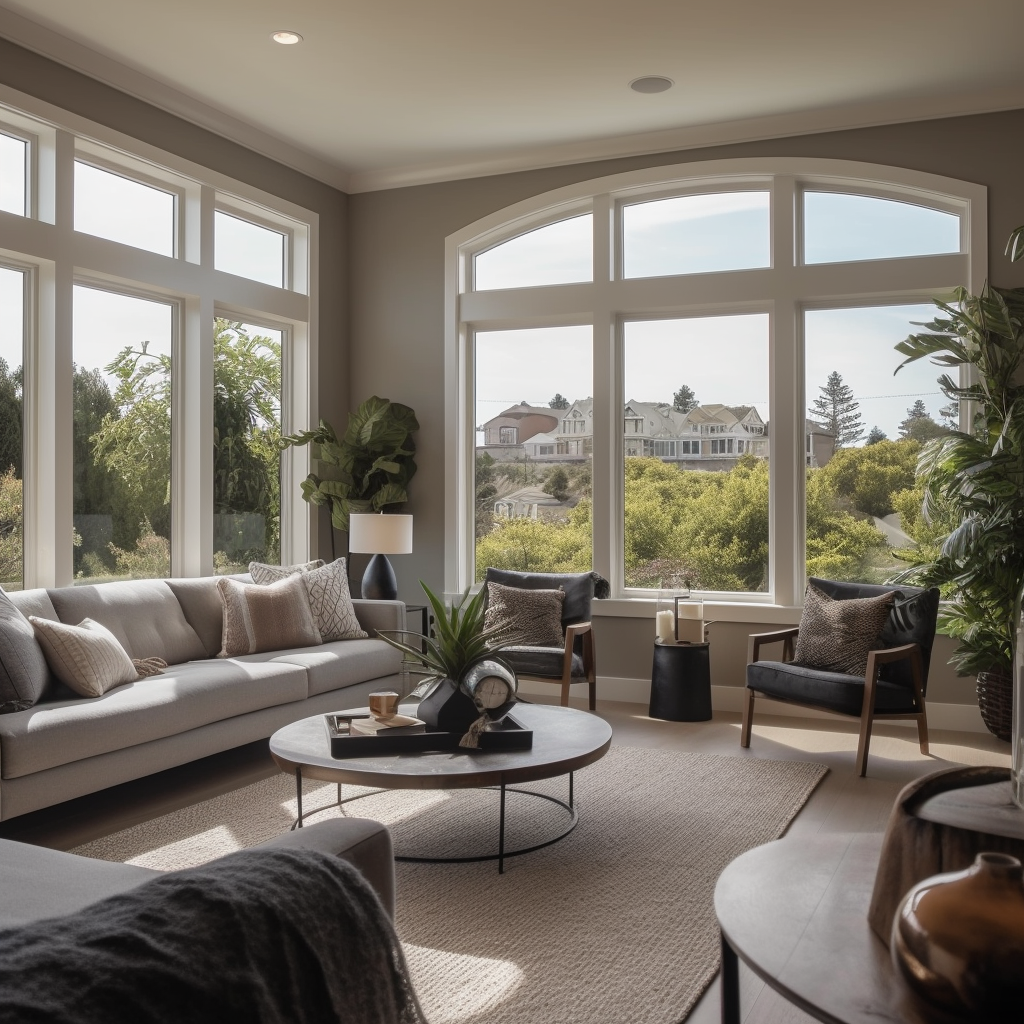
Replacing or upgrading your windows is one of the smartest ways to boost your home’s comfort, energy efficiency, curb appeal, and value. But with so many options out there, figuring out which types of windows work best for your space can be tricky.
This guide breaks down the most common window styles and materials homeowners choose—plus how to know which ones make sense for the desert climate, room layout, and your own personal style.
Window Types
Different window styles serve different purposes. Some maximize airflow, others frame the perfect view, and some are all about energy efficiency. Let’s break down the most popular options available today and the pros and cons of each.
Single-Hung and Double-Hung Windows
These classic styles are timeless for a reason. Both feature two sashes (the framed panes of glass), but the difference lies in how they operate:
- Single-hung windows open only from the bottom, with the top sash fixed in place.
- Double-hung windows allow both the upper and lower sashes to move, making cleaning and ventilation a breeze.
Best for: Traditional homes, bedrooms, and spaces where you want an easy-to-operate design.
Pros
- Double-hung: Great airflow; both sashes tilt in for easy cleaning
- Single-hung: More affordable, fewer moving parts, low maintenance
Cons
- Double-hung: Slightly higher cost; more moving parts can mean more upkeep
- Single-hung: Limited ventilation from the bottom only
Casement Windows
Casement windows swing outward using a crank and are hinged on one side. When open, they catch side breezes perfectly, providing excellent ventilation and tight sealing when closed.
Best for: Kitchens, living rooms, or anywhere you want maximum airflow and unobstructed views.
Pros
- Among the most energy-efficient window types
- Easy to open in hard-to-reach spots
- Great for ventilation
Cons
- Needs exterior clearance to open fully
- Crank hardware can wear over time
Sliding Windows
Sliding windows glide horizontally along a track. Their wide panes allow plenty of light while offering smooth operation with minimal mechanical parts.
Best for: Contemporary homes, basements, or patio-facing rooms.
Pros
- Sleek, space-saving design—no outward clearance needed
- Expansive glass area for natural light
- Easy to maintain
Cons
- Tracks can collect dust and need regular cleaning
- Less ventilation than casement styles
Picture Windows
Picture windows are fixed panes that don’t open—they simply frame your outdoor view like a piece of art.
Best for: Living areas with beautiful views or rooms that already have other operable windows for airflow.
Pros
- Energy-efficient with airtight seals
- Floods rooms with natural light
- Zero moving parts = low maintenance
Cons
- No ventilation
- Can’t be used for egress (emergency exit)
Awning Windows
Hinged at the top and opening outward, awning windows allow air circulation even when it’s raining.
Best for: Bathrooms, basements, or over kitchen sinks.
Pros
- Ventilation during rain without letting water in
- Great insulation and security
- Works well in tight spaces
Cons
- Smaller glass area than other types
- Must have clearance outside to open
Garden Windows
Garden windows project outward to create a small shelf—perfect for potted herbs or décor.
Best for: Kitchens or sunny spots that could use a touch of greenery.
Pros
- Adds natural light and dimension to a room
- Ideal for plants and displays
- Brings a bit of outdoors inside
Cons
- Slightly core complex installation usually required
- More exposed to exterior weather
Bay Windows
Bay windows extend outward from the home’s wall, usually made up of three connected panels. They add charm, dimension, and extra interior space.
Best for: Living rooms, dining areas, or reading nooks.
Pros
- Expands interior space and light
- Adds curb appeal
- Can create window-seat storage
Cons
- Higher installation cost
- Exterior cleaning on upper floors can be tricky
Window Frame Materials
The right window frame material affects durability, insulation, and maintenance needs. Here’s how the major options compare.
Vinyl Windows
The most popular option for modern homeowners in Arizona, vinyl windows offer affordability, energy efficiency, and low maintenance.
Pros
- Excellent insulation and weather resistance
- Never needs painting or refinishing
- Great value for the price
Cons
- Fewer color and finish options than wood
- Can expand or contract slightly in extreme heat
Fiberglass Windows
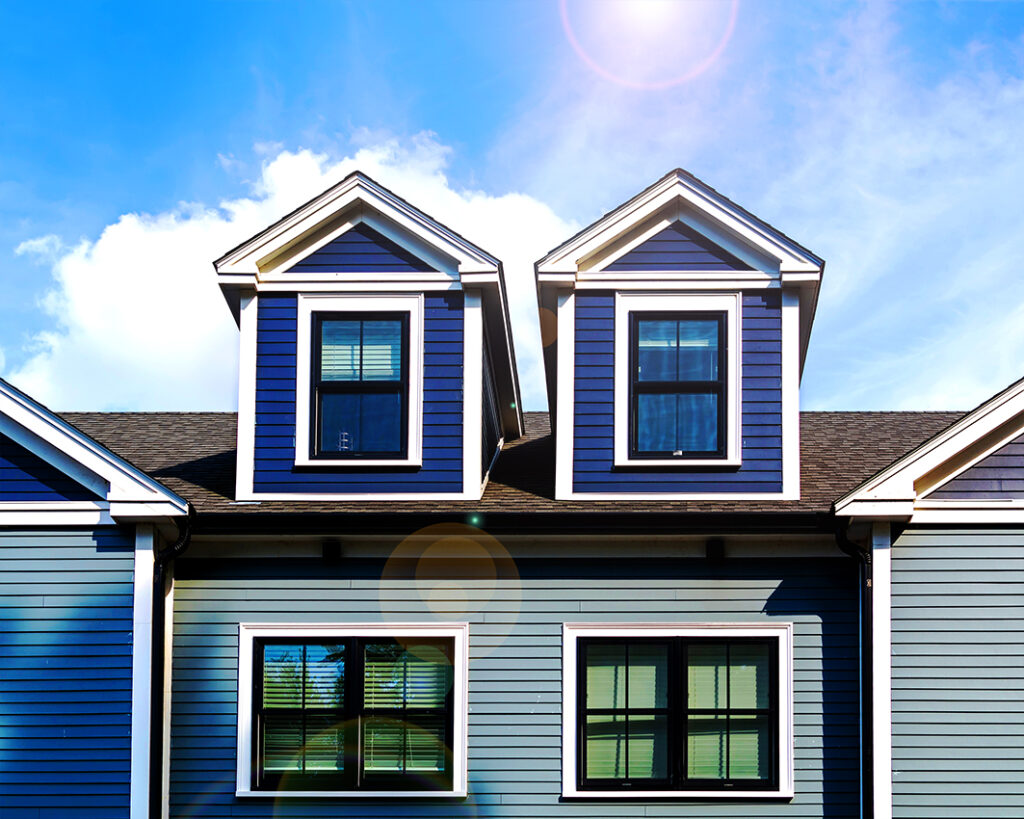
Strong, stable, and highly energy-efficient, fiberglass windows can handle dramatic temperature changes without warping or cracking.
Pros
- Extremely durable and long-lasting
- Resists swelling, rotting, and corrosion
- Can be painted for a custom look
Cons
- More expensive upfront
- Limited availability in certain styles
Aluminum Windows
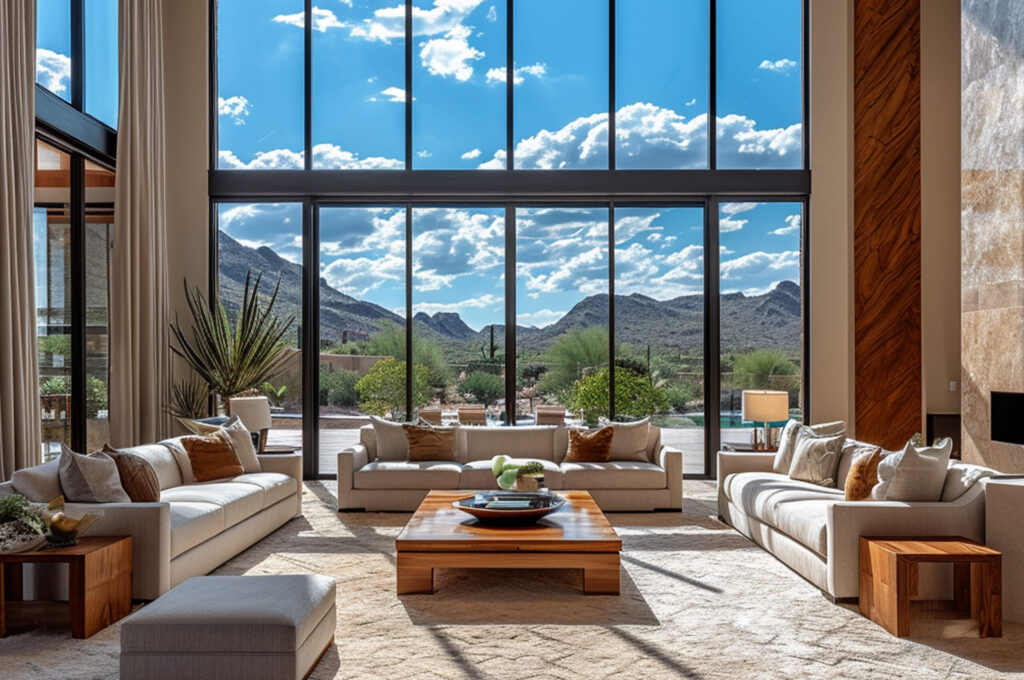
Known for their strength and modern aesthetic, aluminum frames are a go-to for contemporary architecture.
Pros
- Sleek, thin frames allow more glass area
- Lightweight yet strong
- Great for large window openings
Cons
- Less energy-efficient than other materials unless thermally improved
- Can easily conduct heat and cold
Wood Windows
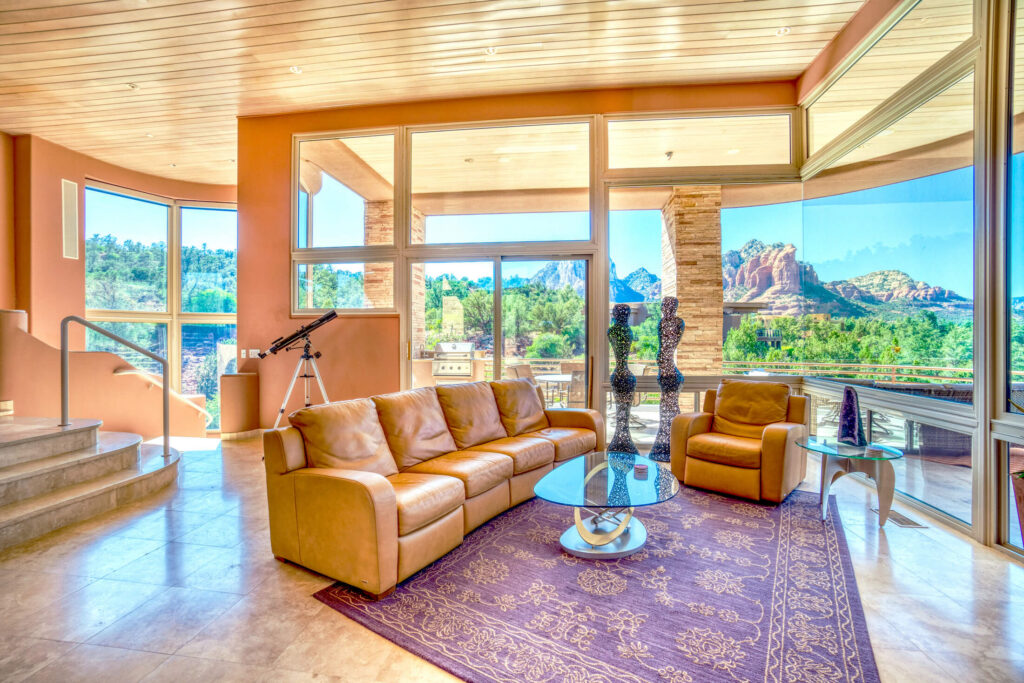
Wood windows provide unmatched natural beauty and insulation. Their timeless look suits both historic and craftsman-style homes.
Pros
- Warm, classic appearance
- Excellent insulator when properly sealed
- Can be painted or stained to match interiors
Cons
- Requires regular maintenance
- Can warp or rot if not properly protected or maintained
Wood Clad Windows
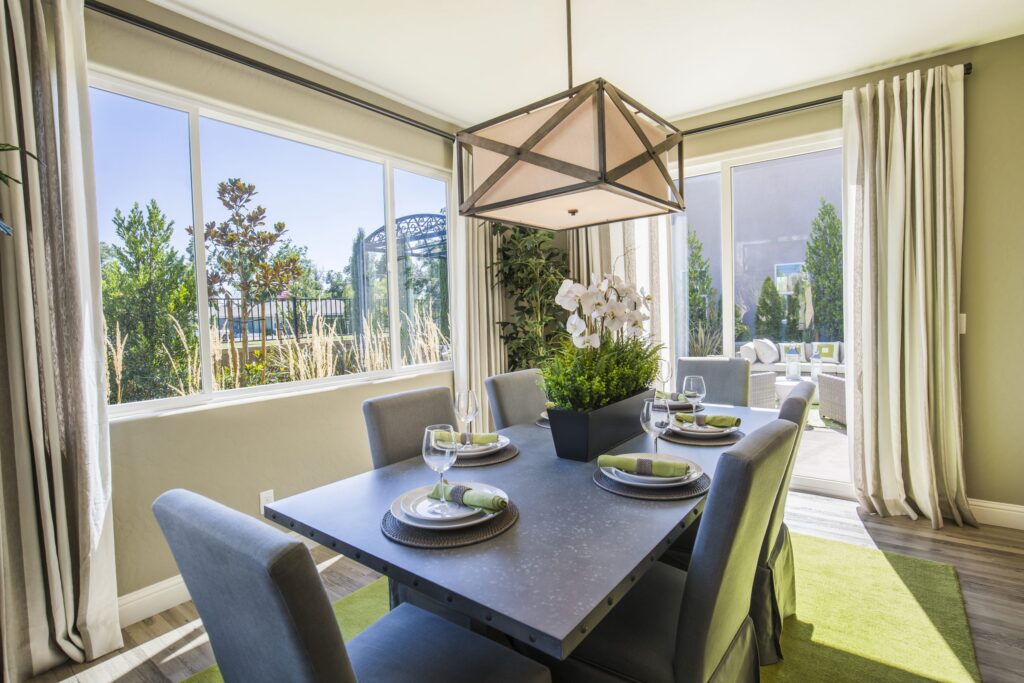
Wood clad windows combine a wood interior with a weather-resistant exterior—often vinyl, aluminum, or fiberglass.
Pros
- Classic interior beauty, durable exterior protection
- Low maintenance compared to pure wood
- Great balance of performance and design
Cons
- Slightly higher cost than traditional vinyl windows
Obscure Glass Windows
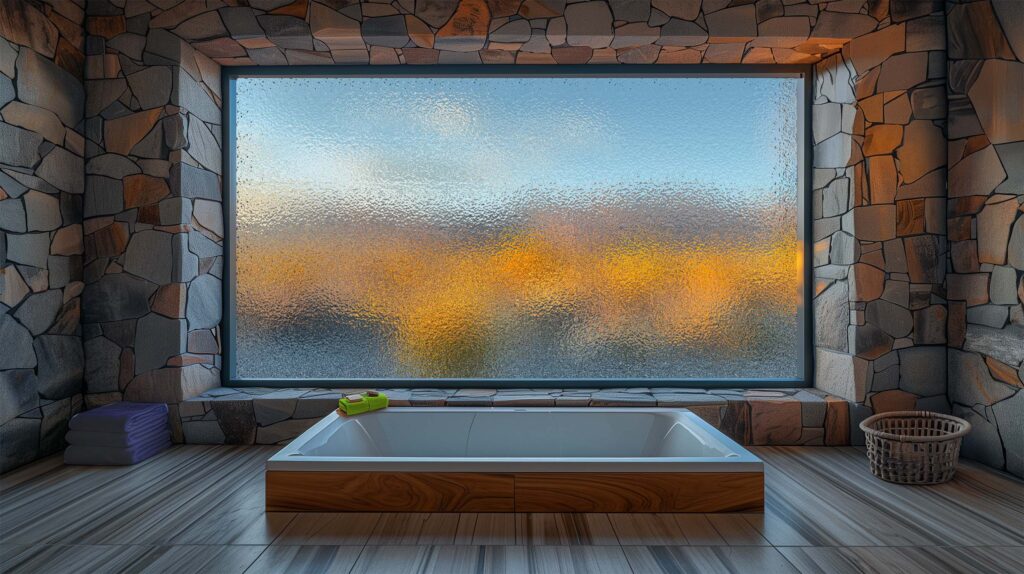
Obscure glass windows use frosted or textured glass to let light in while maintaining privacy.
Best for: Bathrooms, entryways, or any room where privacy is key.
Pros
- Ideal blend of light and privacy
- Adds architectural interest
- Available in various textures and tints
Cons
- Limited visibility outward
- Usually fixed or paired with operable styles
How to Choose the Right Window for Your Home
When deciding which type of window to install, consider:
- Climate: In hot or variable climates like Arizona, vinyl generally performs best against heat and sun, and occasional wind, dust and rain.
- Ventilation Needs: Casement, double-hung, and awning windows offer great airflow for those cooler Arizona nights.
- Design Goals: Wood and bay windows add traditional charm for those Northern Arizona homes; aluminum and sliding styles complement modern homes very well. Vinyl is the most popular option for most neighborhoods in Arizona, and offers the biggest variety of colors to choose from to match your own personal style or preference.
- Maintenance Level: Vinyl, fiberglass and aluminum are virtually maintenance-free; wood needs periodic refinishing as well as occasional protection and sealing, depending on the area of Arizona you may be in.
Final Thoughts
The right window does more than let light in—it enhances comfort, efficiency, and the character of your home. Whether you prefer contemporary and modern, pueblo revival, or spanish colonial, there’s a perfect match for every space in Arizona.
If you’re ready to explore what’s possible, contact American Vision Windows of Arizona today or visit one of our showrooms nearest you!
Frequently Asked Questions About Window Types and Styles
What are the most common types of windows for homes?
The most popular window types include single-hung, double-hung, casement, sliding, picture, awning, garden, and bay windows. Each offers unique advantages—single- and double-hung styles are versatile and classic, while casement and sliding options are great for airflow and modern appeal.
Which window style is best for energy efficiency?
Casement windows are among the most energy-efficient because their sash presses tightly against the frame when closed, reducing air leaks. Vinyl and fiberglass frames also enhance insulation, especially when paired with Low-E glass and double- or triple-pane designs.
What’s the difference between single-hung and double-hung windows?
A single-hung window has a fixed top sash and a movable bottom sash.
A double-hung window allows both sashes to move, making it easier to clean and improve airflow. Double-hung models cost slightly more but provide better ventilation flexibility.
Which window type lets in the most natural light?
Picture windows and bay windows bring in the most sunlight because of their large, unobstructed glass areas. They’re ideal for living rooms, dining spaces, or any room where maximizing daylight and views matters more than ventilation.
What are the best window materials for hot or sunny climates like Arizona?
Vinyl windows is the top performer in this region thanks to its thermal stability and low maintenance. Aluminum can work well too, but look for models with thermal breaks to reduce heat and cool transfer.
How long do different window materials last?
- Vinyl: 20–40 years
- Fiberglass: 30–50 years
- Aluminum: 20–30 years
- Wood: 15–30 years (with proper maintenance)
- Wood Clad: 25–40 years
Proper installation and care can extend the lifespan of any window.
Which window type adds the most value to a home?
Bay windows and wood-clad styles often increase home value due to their curb appeal and interior charm. Energy-efficient vinyl or fiberglass windows also boost resale value by improving comfort and lowering utility costs.
How do I choose the right window for my home?
Think about your climate, ventilation needs, and style preferences. For example:
- Arizona climate → Generally Vinyl or fiberglass
- Classic Arizona homes → Wood
- More modern designs → Aluminum and sliding glass
- Tight spaces → Awning or casement
If you’re unsure, scheduling a professional window consultation with a Project Manager helps match your goals with the best material and style combination that we can offer you.
Are obscure glass windows a good idea for privacy?
Yes—obscure glass (frosted or textured glass) allows natural light to enter while preventing visibility from outside. They’re perfect for bathrooms, entryways, or sidelights next to doors.
How often should you replace your windows?
Most builder grade windows last 15–25 years depending on the material. Replace them if you notice drafts, excess outside noise, difficulty opening or closing, or condensation between glass panes. Upgrading improves comfort, appearance, tranquility, and energy savings.