

Aluminum vs. Fiberglass for Modern Architectural Designs
Posted on: March 26, 2026
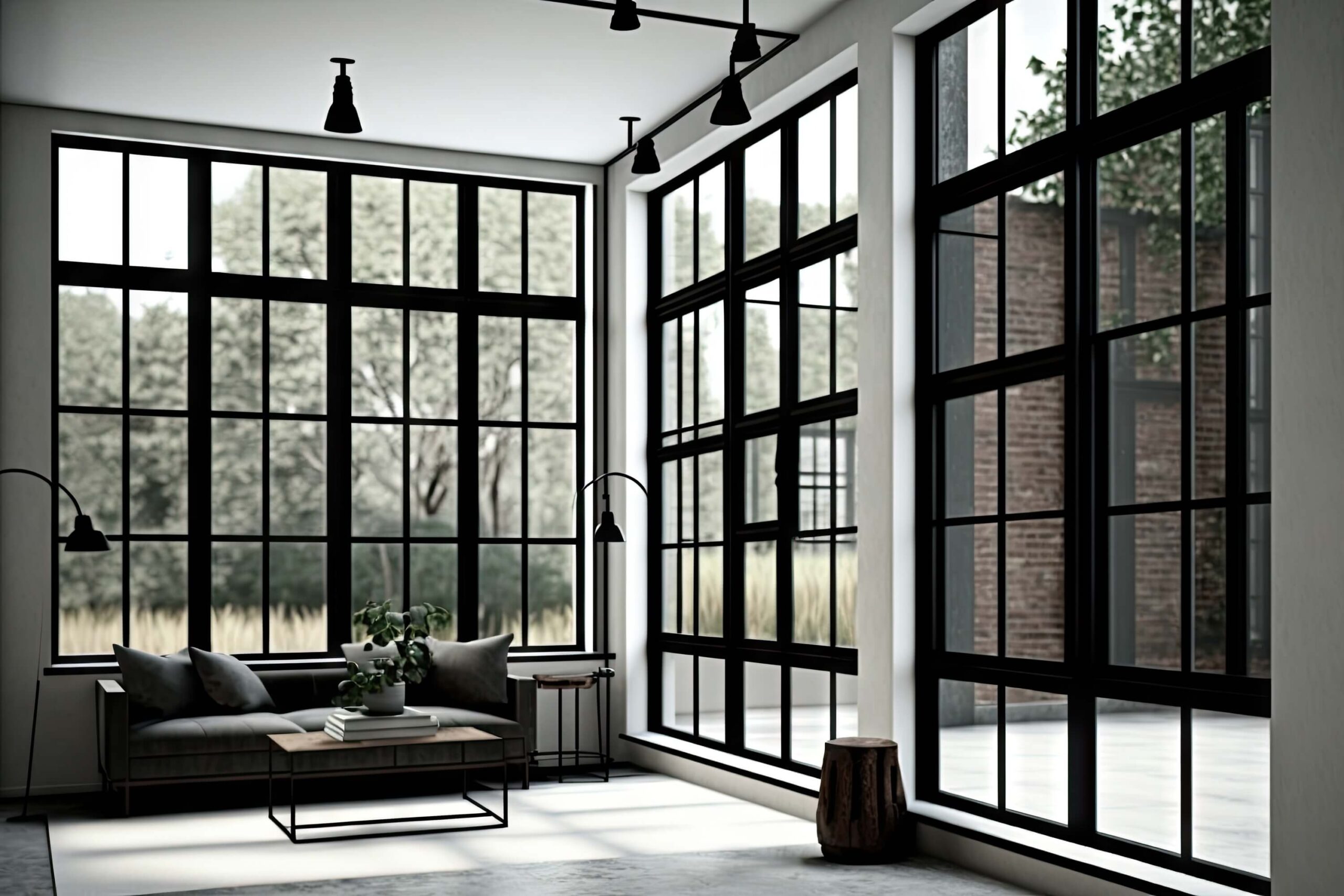
In contemporary architecture, material choice is both an aesthetic and performance decision. Modern design emphasises clean lines, maximum light, energy efficiency, and durable materials that deliver long-term value. Windows and doors play a central role in this vision, they shape views, influence energy performance, and help define architectural character.
Among the most common questions architects, builders, and homeowners face is: Should you choose aluminum or fiberglass for modern architectural applications?
Both materials offer distinct advantages, but understanding their differences helps you make a choice that aligns with design goals, environmental conditions, budget priorities, and performance expectations.
This article explores how aluminum and fiberglass perform across key factors important to modern architectural designs.
A Brief Look at Modern Architectural Priorities
Modern architecture is defined by:- Large, unobstructed glazing.
- Minimalist framing.
- Seamless indoor-outdoor transitions.
- High performance in thermal and structural terms.
What Is Aluminum and Why It’s Popular in Modern Designs
Aluminum has been a mainstay in architectural applications for decades. It is a lightweight, strong metal that naturally complements modern design language.Key Characteristics of Aluminum
- Exceptional structural strength.
- Slim sightlines that maximise glass area.
- Durability in coastal and urban environments.
- Recyclability and sustainability credentials.
What Is Fiberglass and Why It’s Gaining Traction
While aluminum excels in structural performance, fiberglass has grown in popularity due to its blend of durability, thermal performance, and dimensional stability. Fiberglass is composed of glass fibers embedded in resin. The resulting material is strong, resistant to corrosion, and stable across temperature extremes.Key Characteristics of Fiberglass
- Excellent thermal performance.
- Low expansion and contraction.
- High resistance to moisture and rot.
- Natural compatibility with multiple finishes.
Performance Comparison: Aluminum vs. Fiberglass
When choosing between aluminum and fiberglass, it helps to compare them across criteria that matter for modern architectural design.Structural Strength and Visual Impact
Aluminum: Aluminum stands out for its strength. Architects frequently choose aluminum frames for:- Floor-to-ceiling windows.
- Large sliding or folding doors.
- Curtain wall systems.
Thermal Performance and Energy Efficiency
Fiberglass: Fiberglass has a clear advantage in thermal performance because its composite structure minimizes heat transfer. This helps:- Lower energy costs.
- Improve indoor comfort.
- Meet stricter energy codes.
Aesthetics and Design Flexibility
Aluminum: Aluminum is synonymous with modern design because of its:- Slim profiles.
- Consistent surface finish.
- Ability to support large glazed areas.
Durability and Environmental Resistance
Both materials excel in durability, but in different ways. Aluminum:- Highly resistant to rust and corrosion.
- Ideal for coastal and high-humidity environments.
- Strong and long-lasting under structural stress.
- Extremely resistant to moisture and rot.
- Maintains stability in temperature swings.
- Low maintenance and long service life.
Cost Considerations
While cost should never be the sole deciding factor, it is a practical component of any design discussion. Aluminum:- Typically higher upfront material cost.
- May require additional finishes or thermal break engineering.
- Adds value through long service life and design appeal.
- Material cost can be competitive with aluminum.
- Often provides better thermal performance with less auxiliary engineering.
- Lifespan and durability reduce lifetime expenses.
Which Material Is Right for Your Project?
Selecting between aluminum and fiberglass depends on specific project goals. Here are some guidelines:When Aluminum Is a Strong Choice
- Ultra-large glass spans with slim profiles.
- Industrial or high-tech architectural aesthetics.
- Projects prioritising visual transparency.
- Areas where structural load capacity is critical.
When Fiberglass Excels
- Established energy efficiency or passive house aspirations.
- Projects in fluctuating climates.
- Homeowners seeking low maintenance.
- Designs with a focus on refined finishes.
Integration with Other Design Elements
Materials rarely stand alone in a design scheme. When selecting windows and doors:- Consider how frames complement exterior cladding.
- Align frame color and finish with interior materials.
- Evaluate how daylight and thermal control interact.
- Balance structural priorities with comfort and sustainability.
Installation and Long-Term Performance
Performance is not only a function of material but also of installation quality. Proper installation ensures:- Weather-tight seals.
- Accurate alignment of frames and sashes.
- Optimal integration with insulation and flashing systems.
- Manufacturer warranty protection.
Final Thoughts
The choice between aluminum vs. fiberglass for modern architectural designs should be informed by performance goals, aesthetic intent, climate conditions, and long-term value. Aluminum shines in structural strength and minimal sightlines, while fiberglass offers thermal performance and stability with refined aesthetics. When you understand the strengths of each, you can make a choice that enhances both design and function. Modern architecture deserves materials that deliver beauty and performance. By aligning material choice with design priorities, you create spaces that are visually striking, energy-efficient, and enduring. Choosing the right materials for modern architectural windows and doors is an investment in performance and aesthetics. American Vision Windows offers expert guidance and high-quality products to match your design goals. Explore our options and find solutions that elevate your architectural vision.Frequently Asked Questions
Is aluminum better than fiberglass for large windows?
Aluminum typically supports larger spans with slimmer profiles, making it ideal for expansive glazing.Does fiberglass offer better energy performance?
Yes. Fiberglass generally provides better thermal resistance due to its low conductivity.Which material requires less maintenance?
Both are durable, but fiberglass tends to require less ongoing finish maintenance over decades.Can fiberglass mimic other materials?
Yes. Fiberglass can be finished with wood-grain effects and a range of colors.Is one material more sustainable than the other?
Both are recyclable, but fiberglass’s inherent thermal performance may contribute to lower lifetime energy use.Revolutionizing the Home Improvement Experience One Customer at a Time, While Changing the Lives of Our Employees for the Better.